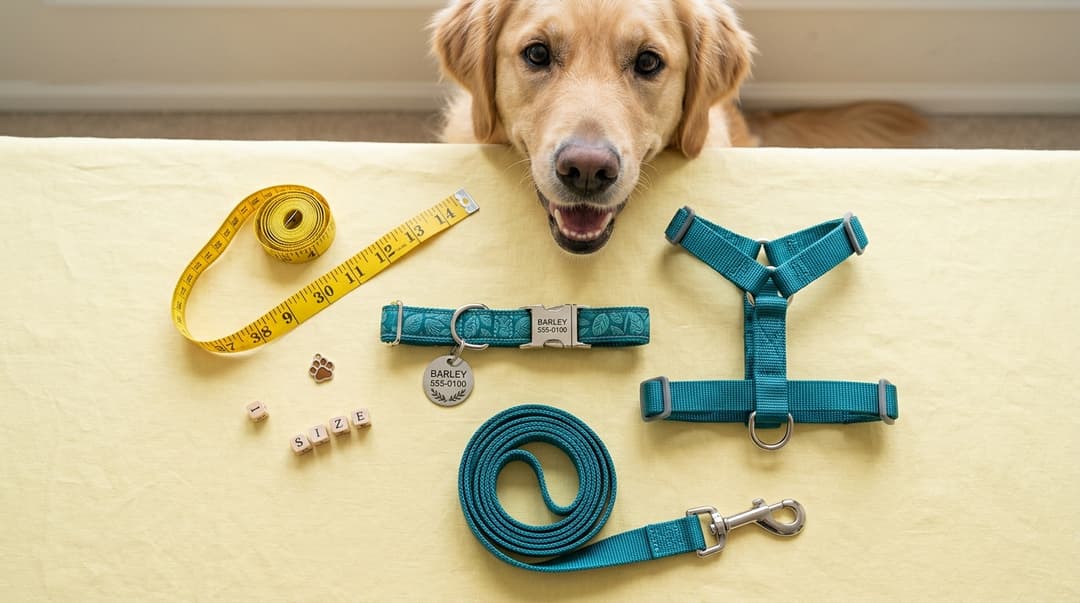
Dog sizing calculators
Pick the tool that matches what you're buying or packing. Crate sizing covers home and IATA airline modes. Harness and collar tools use AKC-style measuring. Puppy weight tools estimate adult size so you don't buy gear twice.
Keep going with a related calculator.
Measuring your dog for the right gear
Most dog gear fails for one simple reason: it was bought without a measurement. A harness that pinches, a collar that slides off, or a crate that is too small makes walks unpleasant and can cause real harm. This hub brings the measuring and sizing tools together, so you can measure once and check the fit for each piece of equipment you need.
Each tool explains what to measure and how. Use this hub to find the right tool, then use that tool's chart and two-finger check to choose the size. Brand charts differ, so always compare your measurement with the chart of the product you are buying.
The sizing tools
| Equipment | Tool | What you measure |
|---|---|---|
| Harness | Dog Harness Size Calculator | Chest girth, just behind the front legs |
| Collar | Dog Collar Size Calculator | Neck circumference where the collar sits |
| Crate | Dog Crate Size Calculator | Nose to base of tail, height to the top of the head, plus shoulder and chest for airlines |
| Adult size | Dog Size Calculator | Breed and expected adult size, for planning ahead |
The adult size calculator answers a different question from the gear tools. It helps you plan gear for the size your dog will become, which matters for puppies. The gear calculators answer the question of what fits today.
How to measure a dog: the basics
Use a soft tape measure, not a metal one, and measure when the dog is standing naturally on level ground. A dog that is excited, crouching or lying down gives misleading readings. Measure twice and use the larger value unless the instructions say otherwise. Write each measurement down with the date, because a puppy can change size quickly.
For most dogs you will need four measurements:
- Neck: the circumference where the collar will sit, just behind the ears and above the windpipe.
- Chest: the widest point of the ribcage, just behind the front legs.
- Length: from the tip of the nose to the base of the tail, along the back.
- Height: from the floor to the top of the head or ears, while the dog stands.
Two of those are enough for most everyday gear. Crates for airline travel need a fifth measurement, the shoulder to base of tail, plus the chest width.
The two-finger rule
Once gear is on, the two-finger rule is the quickest fit check. For a collar or harness strap, you should be able to slide two fingers underneath. Tight enough to need a struggle is too tight. Loose enough to fit a whole hand is too loose. Check the fit again after a walk, because a harness can shift once the dog starts to pull.
Puppies and growing dogs
Puppies change size quickly, so measure every few weeks during the first year. Choose adjustable gear where you can, and expect to change sizes several times. For crates, buy for the adult size and use a divider while the puppy is small, rather than buying a new crate every month.
Breed size and gear sizing are different
Gear sizing depends on the measurements of the individual dog, not the breed name. Two dogs of the same breed can need very different harness or collar sizes. The Dog Size Calculator gives an estimate of adult breed size, which helps with planning. For fitting a specific dog today, use the measurements above.
Common sizing mistakes
- Buying by weight alone. Weight is a rough guide, and a long-backed or deep-chested dog at the same weight can need a different size.
- Measuring a moving dog. Excitement and tension change the neck and chest readings.
- Using a metal tape that does not curve. Soft tape follows the body more accurately.
- Trusting one brand's chart for another. Sizes vary, so compare measurements to the chart of the product you are buying.
- Ignoring the fit after the first walk. Harnesses and collars can settle or shift in use.
Gear by activity
Walking gear, travel gear and everyday gear have different needs. A harness for a pulling dog may need a different fit from a harness for calm walks. A crate for home is sized differently from an airline crate, which has its own rules. Think about how the gear will be used, and choose the tool that matches that use.
Related hubs and guides
- Toxicity Calculators for safety during the day
- Pet Cost Calculators for the cost of gear and care
- Dog Calculators for the full set of dog tools
- Travel Estimator for planning a trip with your dog
Questions about this calculator
Measure the neck where a collar sits, the chest at its widest point behind the front legs, and the length from nose to base of tail. For clothing, the chest and length measurements are usually the most useful, and many clothing brands list the same measurements in their charts. Always check the brand's size chart before ordering.
The math, openly documented.
Inputs
Enter the details that affect your estimate.
weight · age · breed
Normalize
Validate ranges and convert units when needed.
lbs ↔ kg
Calculate
Veterinary or industry-standard formulas applied.
result = f(inputs)
Results
Clear outputs with context and disclaimers.
display + notes
More from Lifestyle
Pet cost calculators
pet cost calculator: Estimate monthly and lifetime pet costs — dog and cat ownership, adoption first-year, multi-pet, gr
Open tool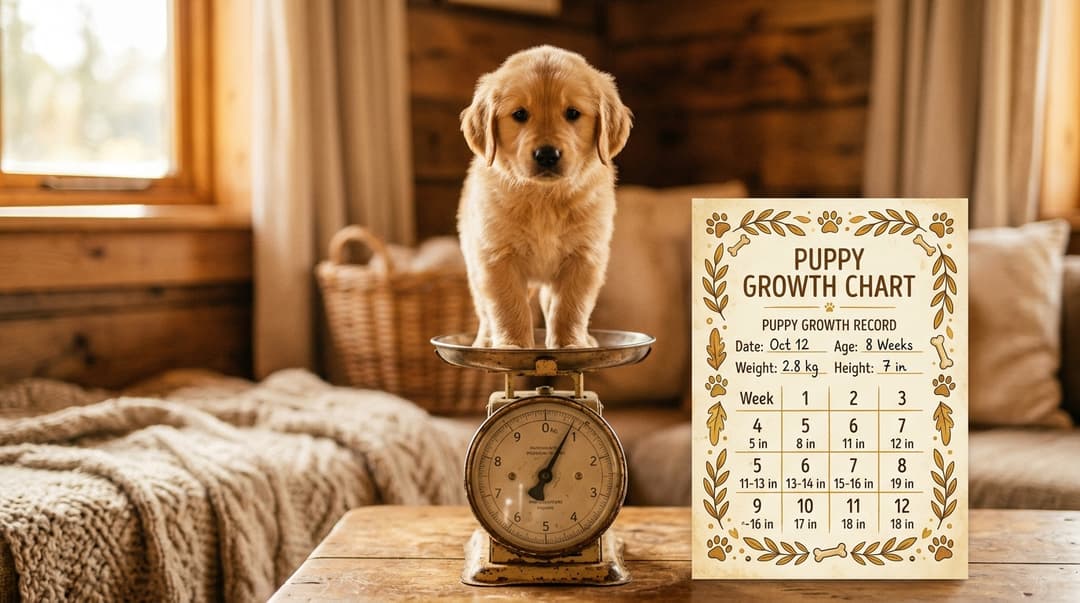
How Big Will Your Puppy Get?
puppy weight calculator: Estimate your puppy's adult weight using growth-rate math, not guesswork — works for purebred a
Open tool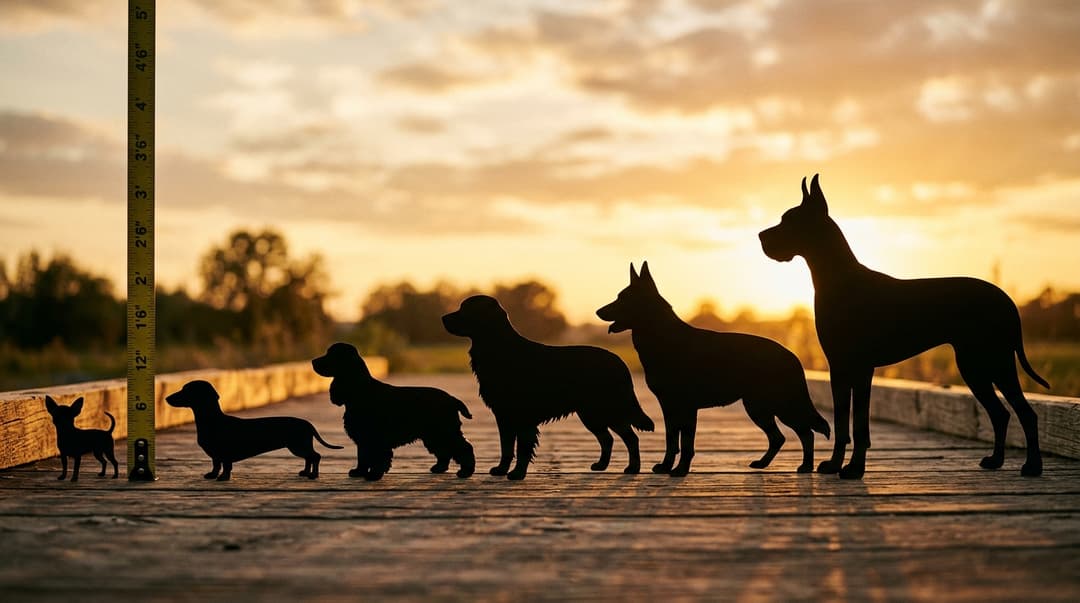
What Size Will Your Dog Be?
dog size calculator: See where your dog falls on the toy-to-giant size scale, with adult weight ranges for each category
Open toolArticles from Insights

Got an edge case the calculator can't handle?
247 active threads about dog nutrition right now. Verified vets and experienced owners answer within hours.