Dog Collar Size Chart & Calculator
Your inputs
Results update live as you type.
Your results
Live — updates as you change inputs.
Collar sizing
16"
Neck girth
Suggested collar range
About 14–20" collar range (measured 16")
Type
flat
Fit check
Two fingers between collar and neck. For GPS collars, allow room for the module. Size up when between sizes.
Veterinary reference only
Confirm with the brand chart; GPS collars may need extra room for the module.
Keep going with a related calculator.
Find the collar size that fits your dog
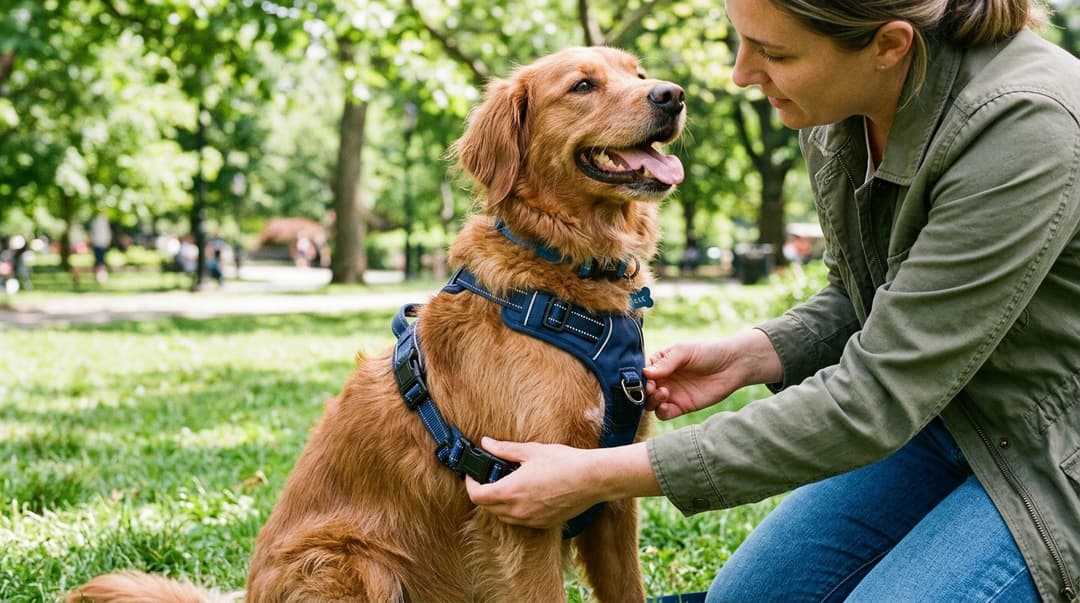
A collar should sit snugly on the neck without choking, and it should not slide over the head. The key measurement is neck circumference where the collar will sit, usually just behind the ears and above the windpipe. Use the calculator above to convert your measurement into a suggested collar size and check the fit with the two-finger rule.
Collars are for identification tags and sometimes for leads. If your dog pulls on walks, a harness is usually the better choice for leading. See the Dog Harness Size Calculator for chest measurements.
Worked example: measuring a neck
Suppose you wrap a soft tape around your dog's neck, just behind the ears, and read 14 inches. Most collars are sized by neck circumference, so you would look for a size that covers 14 inches with room for the two-finger check. Some brands suggest allowing a little extra room above the measurement, and the two-finger check is what decides the final fit.
Now suppose the reading is 14 inches, but the brand's chart shows sizes in 2-inch steps. You would likely choose the size that fits 15 inches, then adjust the buckle or sliding hardware to get the two-finger fit.
These numbers show the method, not a specific brand's sizes. Use the chart from the collar you are buying, and check the fit once it is on.
How to measure your dog's neck
- Use a soft tape measure, or a strip of string you can then measure with a ruler.
- Place it where the collar will sit, just behind the ears and above the windpipe.
- Keep it snug but not tight. You should be able to fit two fingers under the tape.
- Measure twice and note the larger reading.
For a dog with a thick, fluffy coat, measure over the fur as it lies naturally, not pressed flat. A dog that is excited or pulling may have a larger neck than when relaxed, so measure while the dog is calm and standing still.
The two-finger rule
Once the collar is on, slide two fingers under it. If you cannot fit two fingers, it is too tight, and it can restrict breathing and cause skin problems. If a whole hand fits, it is too loose and can slip off, especially for dogs with narrow heads. A collar that is too loose is a safety problem because it can come off during a walk, so check the fit at each new size.
When your dog sits between sizes, choose the size that fits the two-finger rule most comfortably. Adjustable collars are useful, but still check the fit after adjustment.
Collars for puppies and growing dogs
Puppies grow quickly, so check the neck measurement every few weeks during the first year. A collar that fits today may be too tight in a month. Use an adjustable collar and check it often. Remove the collar at night in the first few months if your puppy is prone to skin irritation, or if you are unsure of the fit.
Collar types and safety
- Flat buckle collars: the everyday choice for ID tags and light use.
- Martingale collars: tighten slightly when pulled, and are often used for dogs with narrow heads who can slip out of a standard collar.
- Break-away collars: release under pressure, which can help if the collar catches on something, such as a fence or a bush.
- Head collars: these sit over the nose and need careful introduction. They are not a substitute for a harness and are not suitable for every dog.
Avoid choke chains and prong collars unless a trainer or vet recommends them for a specific reason, because they can damage the neck and trachea when misused.
Collar and harness: what each is for
A collar is usually for identification and for a lead point. A harness spreads pressure across the chest, which is safer for dogs who pull, tug, or have neck sensitivity. Many owners use both: a collar for tags and a harness for walks.
Collar safety checks
- Check the fit every few weeks, and after any change in weight or coat.
- Look for rubbing, hair loss, or sores under the collar, and adjust or replace it if you see any.
- Check the buckle or clasp regularly, especially on dogs who chew.
- Remove the collar when the dog is in a crate or kennel, unless the crate is designed for it and supervised, since collars can catch.
- Keep ID tags up to date, so a dog who slips out can be returned quickly.
Related tools and guides
- Dog Harness Size Calculator
- Dog Crate Size Calculator
- Dog Size Calculator for adult breed size
- Dog Sizing Calculators hub
Questions about this calculator
Snug enough that two fingers slide under it, but no tighter. A collar that pinches, leaves marks or restricts breathing is too tight. A collar that a whole hand can fit under is too loose and may slip off.
The math, openly documented.
Inputs
Enter the details that affect your estimate.
weight · age · breed
Normalize
Validate ranges and convert units when needed.
lbs ↔ kg
Calculate
Veterinary or industry-standard formulas applied.
result = f(inputs)
Results
Clear outputs with context and disclaimers.
display + notes
More from Lifestyle
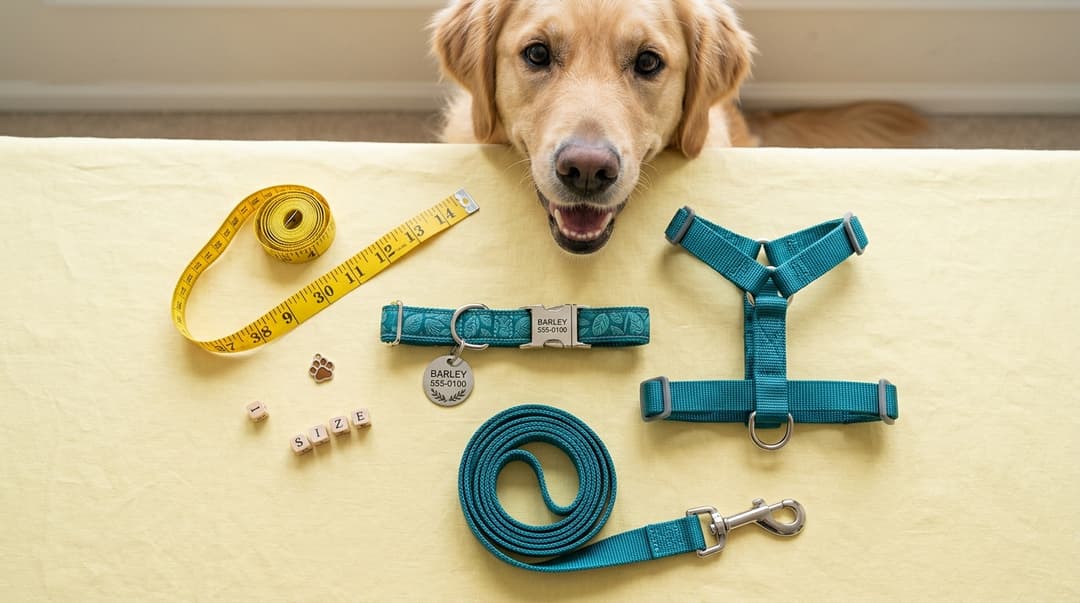
Dog sizing calculators
dog sizing calculator: Measure once, size correctly — crate (home & airline), harness, collar, and puppy adult-size tool
Open tool
Pet cost calculators
pet cost calculator: Estimate monthly and lifetime pet costs — dog and cat ownership, adoption first-year, multi-pet, gr
Open tool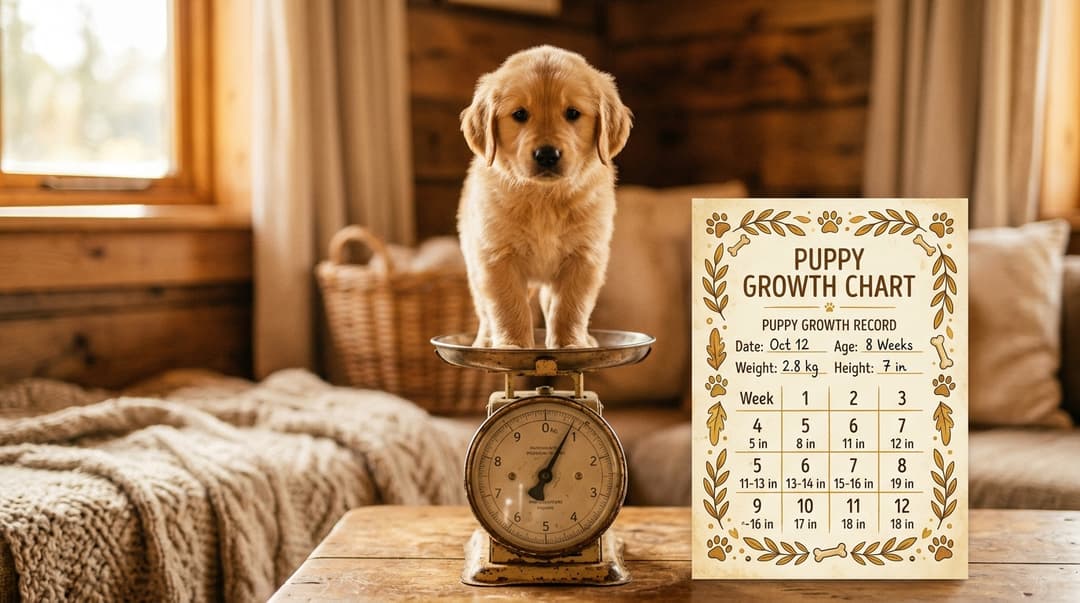
How Big Will Your Puppy Get?
puppy weight calculator: Estimate your puppy's adult weight using growth-rate math, not guesswork — works for purebred a
Open toolArticles from Insights


Got an edge case the calculator can't handle?
247 active threads about dog nutrition right now. Verified vets and experienced owners answer within hours.