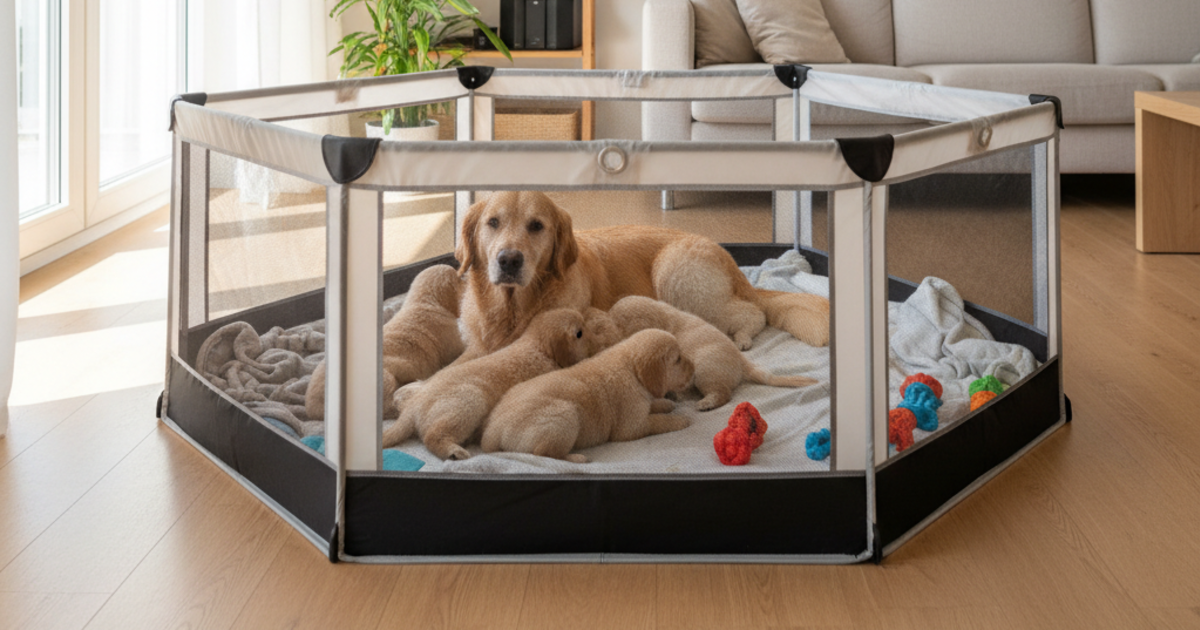
A puppy mill is a large-scale commercial breeding operation that puts profit ahead of the health and welfare of its dogs, often keeping them in cramped, unsanitary conditions with little veterinary care or socialization. To avoid supporting one, never buy a puppy you have not seen with its mother in person, avoid pet stores and online sellers who ship sight unseen, and choose a responsible breeder or a rescue.
Puppy mills supply many of the puppies sold in pet stores and through online listings. The puppies can look adorable in photos, but they are often born to mothers who live in poor conditions, are bred repeatedly with little rest and rarely receive proper care. Puppies from mills may be separated from their mothers too early, miss crucial socialization and are more likely to have genetic problems, infections and behavior issues. This guide explains what a puppy mill is, how it differs from a responsible breeder, the health and behavior problems associated with mill puppies, warning signs to watch for online and in person, questions to ask and better alternatives. To plan the real cost of bringing home a dog, use the adoption costs calculator.
What is a puppy mill?
There is no single legal definition, but the term generally refers to a high-volume commercial dog breeding facility where profit is prioritized over animal welfare. Typical features include:
- Overcrowded, dirty or poorly ventilated housing, such as stacked wire cages
- Little or no veterinary care for breeding dogs or puppies
- Repeated breeding of females without adequate rest
- Limited socialization, exercise or human contact
- Poor nutrition and lack of clean water
- Puppies sold through intermediaries such as pet stores, brokers or online platforms
- Little regard for genetic health, with no screening of parents
Some mills are licensed and legal under minimal standards, while others operate illegally. "USDA licensed" does not guarantee good care, because federal standards for commercial breeders are basic and enforcement can be limited.
Puppy mill vs backyard breeder vs responsible breeder
| Feature | Puppy mill | Backyard breeder | Responsible breeder |
|---|---|---|---|
| Scale | Large volume, many breeds | Small, occasional litters | Few litters, usually one or two breeds |
| Motivation | Profit | Profit or convenience, little planning | Improving the breed, health and temperament |
| Health testing | Rarely | Rarely | Tests parents for breed-specific conditions |
| Socialization | Minimal | Variable | Early handling and exposure |
| Puppy sales | Pet stores, online brokers, shipping | Online ads, roadside | Direct, with interviews and contracts |
| Buyer screening | None | Little | Thorough, with questions |
| Return policy | Rare | Rare | Takes dogs back for life |
| Transparency | Hides facilities | Mixed | Welcomes visits and questions |
Why puppy mill dogs often have problems
Health problems
Puppies from mills may be more likely to have:
- Parasites and infections, such as parvovirus, kennel cough, giardia and worms
- Congenital and genetic conditions, such as heart disease, hip dysplasia, eye disorders and luxating patellas
- Respiratory disease
- Dental disease
- Malnutrition or poor growth
- Early death
Health issues can appear weeks or months after you bring a puppy home, and veterinary bills can be significant.
Behavior problems
- Fearfulness and anxiety from limited early socialization
- Difficulty with house training after living in cages
- Separation anxiety
- Reactivity to people, dogs or new environments
- Trouble adapting to home life
With patience and professional help, many mill dogs thrive, but some need long-term support.
The breeding dogs
Parent dogs in mills may spend their entire lives in cages, bred repeatedly and then discarded when they can no longer produce puppies. Rescued breeding dogs often need extensive medical and behavioral care.
Warning signs of a puppy mill
Online and advertising red flags
- Many breeds available at the same time
- Puppies always available year-round
- Ships puppies sight unseen by air or ground
- Accepts payment only by wire transfer, gift cards or payment apps with no contract
- Stock or stolen photos, or photos that do not match what you are shown
- No way to visit the facility or meet the parents
- Vague answers about the puppies' health and parents
- Pressure to buy quickly, or discounts for immediate deposits
- Prices that seem too low or suspiciously high for "rare" colors
- Puppies available as young as 6 weeks, which is too early
In-person red flags
- Refuses to let you see where puppies are kept or meet the mother
- Meets you in a parking lot or other neutral location
- Dirty, crowded or smelly conditions
- Mother appears thin, fearful, dirty or unhealthy
- Puppies seem sick, lethargic, thin, have discharge or diarrhea
- No health records, vaccinations or vet checks
- Does not ask you any questions about your home or experience
- No contract or return policy
- Claims of "papers" without proof, or registration with little-known registries
Pet stores
Most pet stores that sell puppies obtain them from commercial breeders or brokers, and many of those are large-scale operations. Stores may claim the puppies come from "USDA licensed breeders" or "family breeders," but these terms do not guarantee good conditions. Many cities and states have banned retail pet store sales of puppies from commercial breeders, and others encourage stores to host rescue dogs instead.
What a responsible breeder looks like
- Breeds one or two breeds and knows them well
- Health tests the parents and shares results (such as OFA hips and elbows, cardiac exams, eye certification and genetic tests, depending on breed)
- Lets you meet the mother and see where the puppies are raised
- Raises puppies in the home or a clean, enriched environment with early socialization
- Keeps puppies until at least 8 weeks old, often longer
- Screens buyers with questions and may have a waiting list
- Provides a written contract, health guarantee and records, including vaccinations and deworming
- Takes the dog back at any time in its life if you cannot keep it
- Is open about drawbacks of the breed and encourages questions
- Participates in breed clubs or other organizations
Questions to ask a breeder
- Can I meet the mother, and the father if he is on site?
- What health tests have the parents had, and may I see the results?
- Where are the puppies raised, and may I visit?
- How are the puppies socialized?
- What vaccines and deworming have the puppies had?
- What is your contract and health guarantee?
- Will you take the dog back if I cannot keep it?
- How many litters do you breed a year, and how often do your females have litters?
- Can you provide references, including your vet and previous buyers?
Worked example: the real cost of a "cheap" puppy
Illustrative numbers only, which vary widely.
- Mill puppy purchase price: $1,200.
- Early veterinary care for infections and parasites: $600.
- Treatment for a congenital condition, such as heart or joint surgery: $2,500.
- Behavior training for anxiety: $500.
- Total first-year extra cost: about $3,600 beyond routine care, on top of the emotional toll.
- Responsible breeder or rescue: often higher or comparable up-front cost, but with health testing, records and support, which can reduce unexpected expenses.
Use the adoption costs calculator to plan for the full range of first-year costs.
Better alternatives
Adopt from a shelter or rescue
Shelters and breed-specific rescues have dogs of every age, size and breed, including puppies. Adoption fees often include vaccinations, spay or neuter and a microchip, and many rescues provide support and behavior advice.
Choose a responsible breeder
If you want a specific breed, take the time to find a breeder who meets the standards above. Breed clubs and national kennel organizations can point you to reputable breeders, and a waiting list is a good sign.
Adopt an adult dog
Adult dogs have known personalities and are often already house-trained, which can make life easier than starting with a puppy.
What if you already bought from a mill?
Many families unknowingly buy mill puppies and fall in love. If that happened to you:
- Schedule a vet visit promptly for a health check and a vaccination and deworming plan.
- Keep the puppy away from other dogs until it is fully vaccinated.
- Keep records and documentation of the purchase and any illness.
- Ask about your legal rights. Some states have puppy lemon laws that may provide refunds or reimbursements for veterinary costs.
- Invest in positive training and socialization to help your dog gain confidence.
- Report suspected cruelty to local animal control or humane organizations.
How to help stop puppy mills
- Do not buy from pet stores or online sellers that cannot show you the parents and facility.
- Adopt or buy from reputable sources.
- Support local laws that restrict retail sales of commercially bred puppies and set breeding standards.
- Report suspected abuse or neglect to local authorities.
- Spread the word about the warning signs.
When to call your vet
If you have recently brought home a puppy, schedule a vet visit within the first few days. Seek urgent care if your puppy has vomiting, bloody or persistent diarrhea, lethargy, refusal to eat, coughing, nasal discharge or labored breathing, especially if it came from an unknown source, because parvovirus and other infections can be fatal without prompt treatment.
The bottom line
A puppy mill puts profit ahead of dogs' welfare, which often leads to sick, poorly socialized puppies and suffering breeding dogs. Avoid pet stores and online sellers who ship sight unseen, always visit in person, meet the mother and choose a responsible breeder or rescue. Plan your budget with the adoption costs calculator.
Frequently asked questions
PawCalculator Editorial
We combine veterinary references, published guidelines, and calculator-grade modeling. This article is for education, not a substitute for an exam.
+ Follow on PawTalk