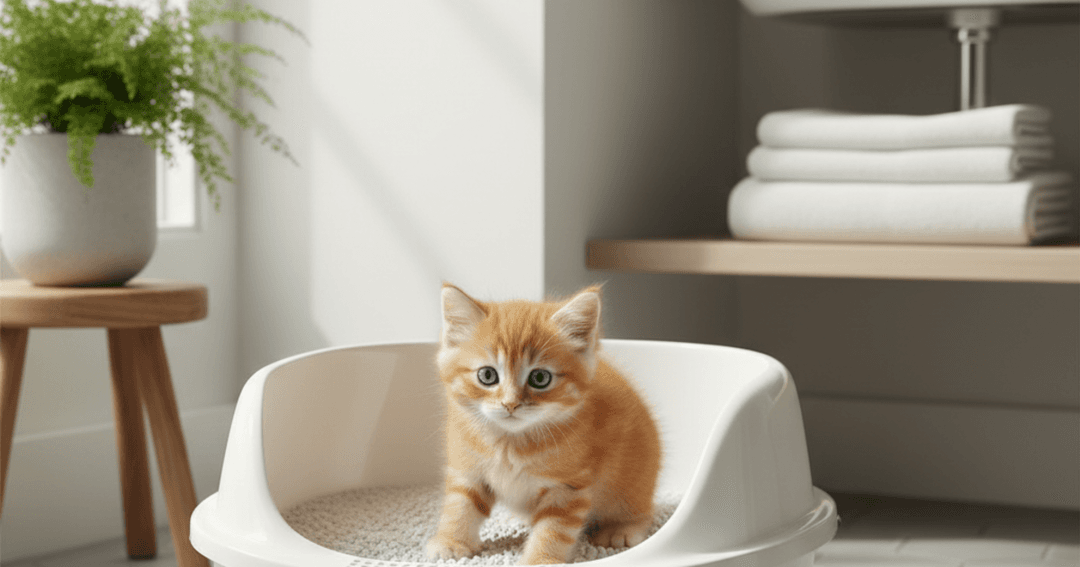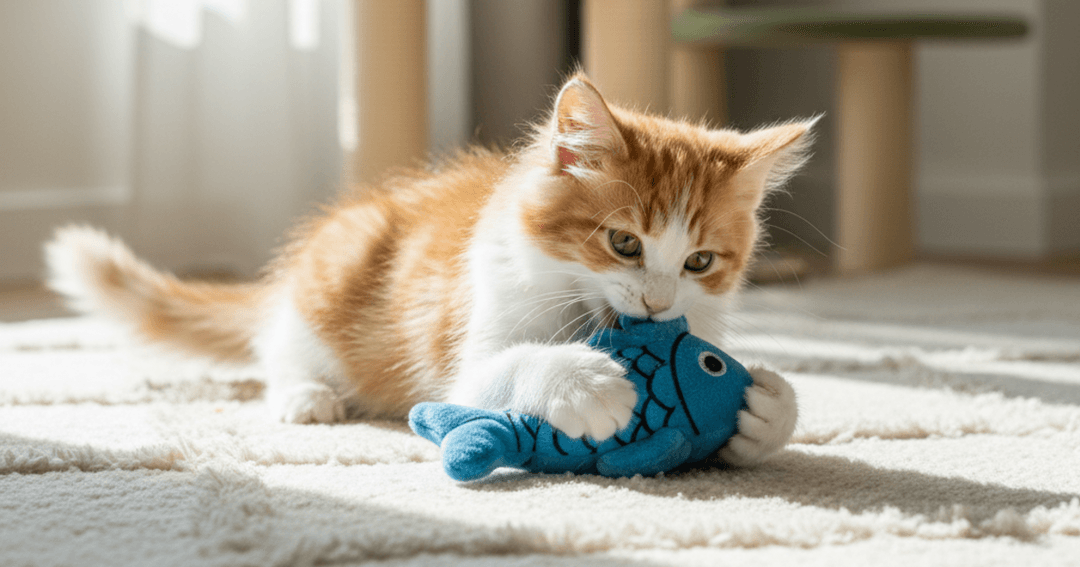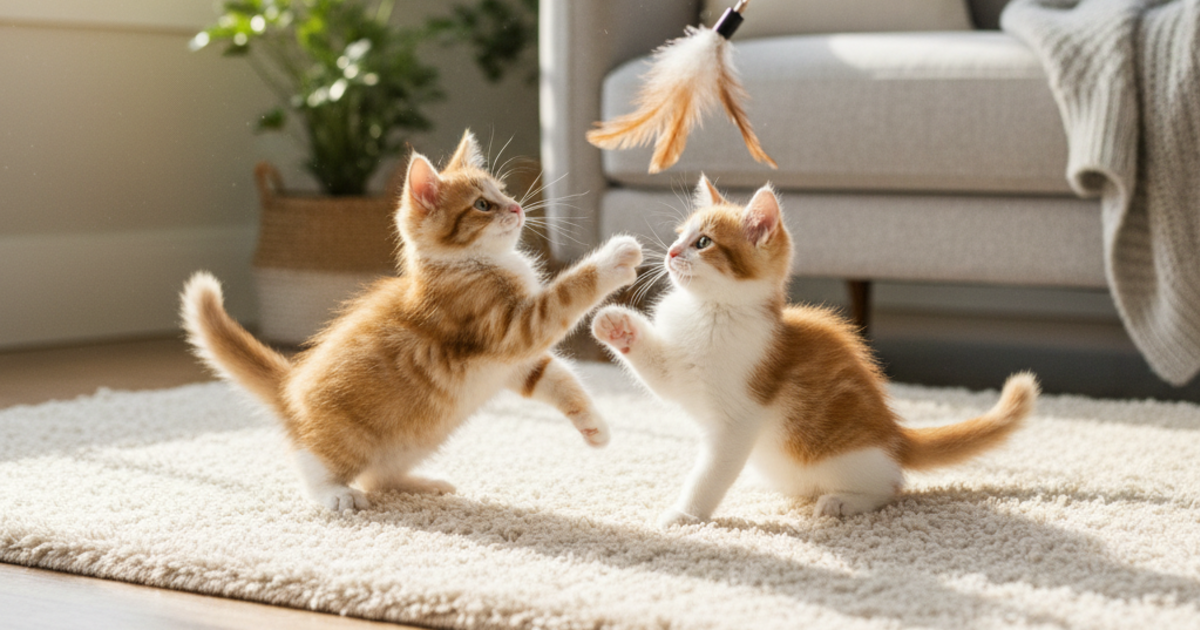
Single kitten syndrome is an informal term for behavior problems, such as rough play, biting, scratching, destructiveness and night-time crying, that can develop in a lone kitten that doesn't get enough social play. It isn't a medical diagnosis. More structured play, routine and sometimes a second kitten can help.
Kittens learn bite inhibition, claw control and social rules by playing with littermates. A single kitten has to learn from people, and people are usually poor wrestling partners. This guide explains what people mean by "single kitten syndrome," whether it's real, the signs of an under-stimulated kitten, who is most at risk, how to help a lone kitten, whether to adopt a second kitten and how to do it well. To plan for a second pet's costs, use the multi-pet household cost calculator.
Signs a lone kitten may be under-stimulated
- Biting or clawing hands and feet hard
- Ambushing ankles and climbing curtains
- Excessive meowing, especially at night
- Destructive chewing or scratching
- Boredom, overeating or constant attention-seeking
- Overly clingy behavior, or panic when left alone
- Over-grooming or pulling out fur
These signs can also come from health problems, hunger, pain or stress, so a vet check is sensible if behavior changes suddenly.
Is single kitten syndrome real?
Many shelters and behaviorists use the phrase, but it isn't a formally recognized condition, and research on it is limited. What's well supported is that kittens need lots of play and social interaction, and that young cats left alone for long periods can become bored and frustrated. Some kittens do perfectly well as only cats if they get enough attention and exercise, and some cats are happier alone once adults.
Why kittens need play
Play is how kittens practice hunting, balance and social skills. In a litter, rough play teaches limits quickly: if a kitten bites too hard, the littermate squeals and stops playing. A kitten without a playmate may use your hands and feet instead, and without a clear signal, rough play can become a habit.
Who is most at risk?
- Kittens separated from littermates and mother before about 8 weeks
- Kittens in homes where everyone is out most of the day
- Very energetic breeds
- Indoor-only kittens without climbing or play options
- Hand-raised orphans, who may miss feline social lessons
Ways to help a lone kitten
- Schedule play. Two or three active play sessions a day of 10-15 minutes with wand toys, ending with a meal or treat so the kitten "catches" the prey.
- Use puzzle feeders and hide-and-seek treats.
- Offer vertical space: cat trees, shelves and window perches.
- Rotate toys to keep them fresh.
- Redirect bites to toys, and never use your hands as toys.
- Keep a routine for feeding, play and bedtime.
- Give a play session before bed to reduce night-time crying.
- Consider a second kitten, ideally of similar age and energy.
Should you adopt two kittens?
Two kittens often entertain each other, which can reduce boredom and destructive behavior. It also doubles the costs and responsibility, and pairs don't always bond. Adopting littermates, or a kitten pair from a shelter that has already been living together, is the safest route. Bring kittens home together where possible. If you add a second kitten later, introduce them gradually with separate spaces and scent swapping.
Tips for a successful pair
- Choose kittens with similar ages and energy levels.
- Provide separate food bowls, litter boxes and beds.
- Introduce gradually if they aren't littermates.
- Supervise early play, and intervene only if it becomes fighting.
- Give each kitten one-on-one time.
Worked example: monthly cost for two
Illustrative numbers: if one kitten costs about $60 a month for food, litter and supplies, two may cost about $100-120 (food scales with number of cats, litter and some supplies are shared). Add vet costs for each kitten: vaccines, spay/neuter, deworming and parasite prevention. The first year's vet costs roughly double, even if monthly costs don't quite. Use the cat cost calculator for your own numbers.
When to call your vet or a behaviorist
Call if behavior changes suddenly, your kitten stops eating, hides, seems in pain, over-grooms or has litter box problems. A behaviorist can help if aggression is severe.
Frequently asked questions
PawCalculator Editorial
We combine veterinary references, published guidelines, and calculator-grade modeling. This article is for education, not a substitute for an exam.
+ Follow on PawTalk