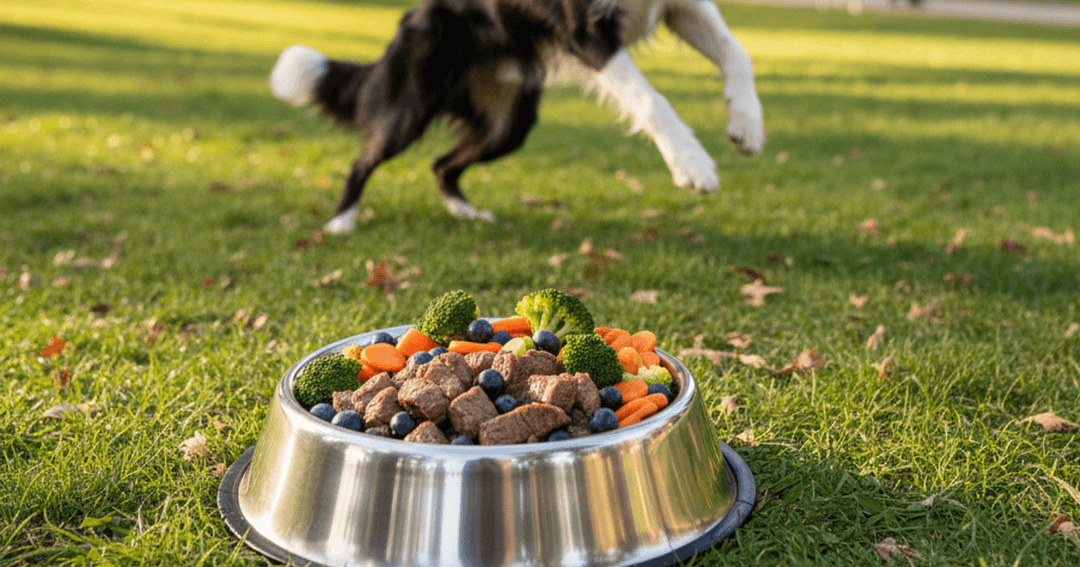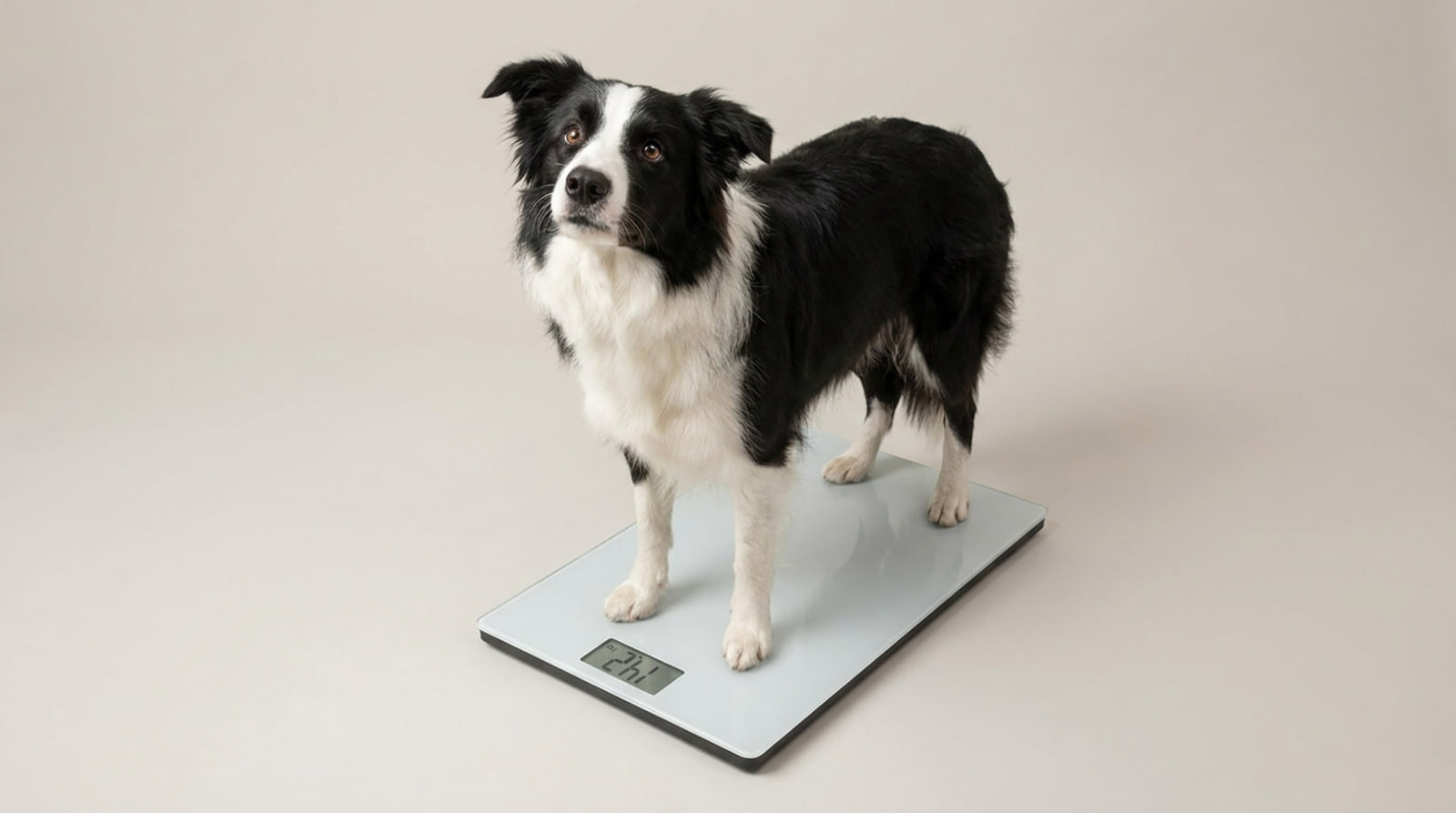
That extra treat or leftover scrap might seem like a small token of love for your furry best friend, but those little extras can add up. Just like in humans, maintaining a healthy weight is crucial for a dog's overall well-being and longevity. An overweight dog is at a higher risk for serious health issues, including arthritis, diabetes, heart disease, and even certain types of cancer. The good news is that the right nutrition, like Purina One Healthy Weight, gives you the power to help your companion live their healthiest, happiest life.
Pro Tip: Use our Pet Weight Tracker to monitor your dog's weight progress and set achievable goals.
Understanding your dog's ideal weight is the first and most important step on this journey. This guide will provide you with practical methods for determining if your dog is at a healthy weight, from visual checks to veterinary consultations. We'll explore body condition scoring, breed-specific guidelines, and actionable tips for diet and exercise—with a special emphasis on how Purina One Healthy Weight can support your efforts.
Looking for the right portions? Check out our Dog Food Calculator to determine the perfect serving size for your dog's weight management journey.
Look for Physical Signs at Home
Before you even step on a scale, you can learn a lot about your dog's weight just by looking and feeling. These simple at-home checks are a great starting point for assessing your dog's physical condition before you consider dietary adjustments with Purina One Healthy Weight.
The Rib Check
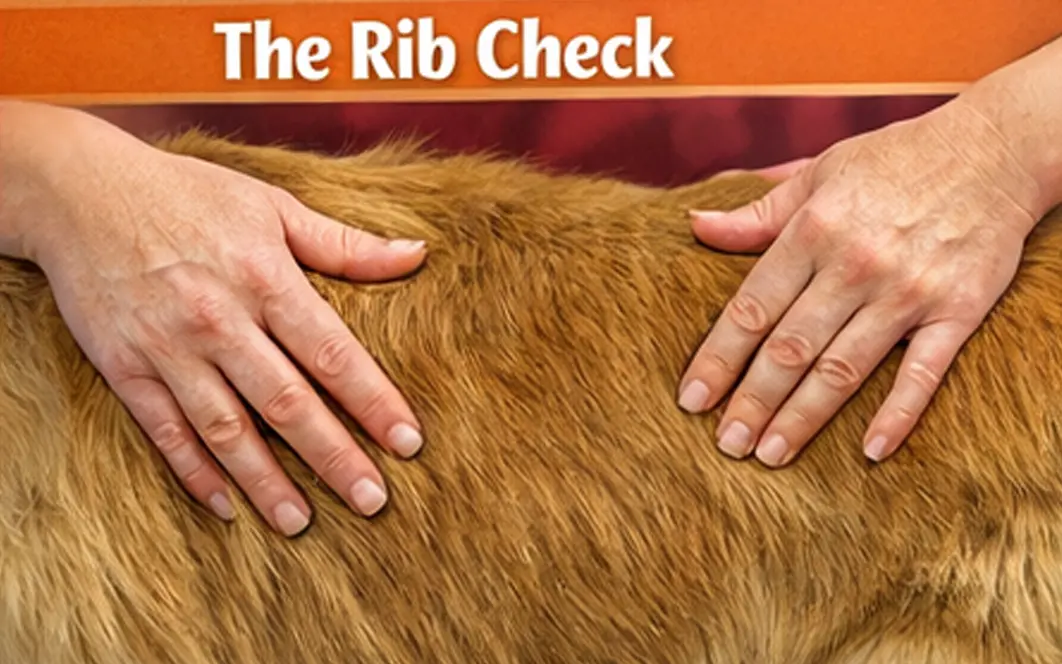
One of the most reliable hands-on methods is the rib check. Gently run your hands along your dog's sides. In a dog at an ideal weight, you should be able to feel their ribs easily beneath a thin layer of fat. You shouldn't see the ribs prominently (which could indicate they are underweight), but they also shouldn't be buried under a thick pad of fat. If you have to press hard to find their ribcage, your dog is likely carrying extra pounds. A nutritious, calorie-smart formula like Purina One Healthy Weight can help your dog shed that excess fat and maintain a healthy body.
The Waist and Tummy Tuck
Observe your dog from a couple of different angles. First, stand above your dog and look down. You should see a visible, defined waist, like an hourglass shape, between their ribs and hips. If their body is oval or straight from shoulders to hips, it's a strong indicator that they are overweight.
Next, view your dog from the side. Their abdomen should slope upward from the end of their ribcage to their hind legs. This is known as an "abdominal tuck." A dog whose belly hangs low or runs parallel to the ground lacks this tuck and is probably overweight. Pairing physical checks with a weight management dog food like Purina One Healthy Weight can help support a lean physique and visible waistline.
Use a Body Condition Score Chart
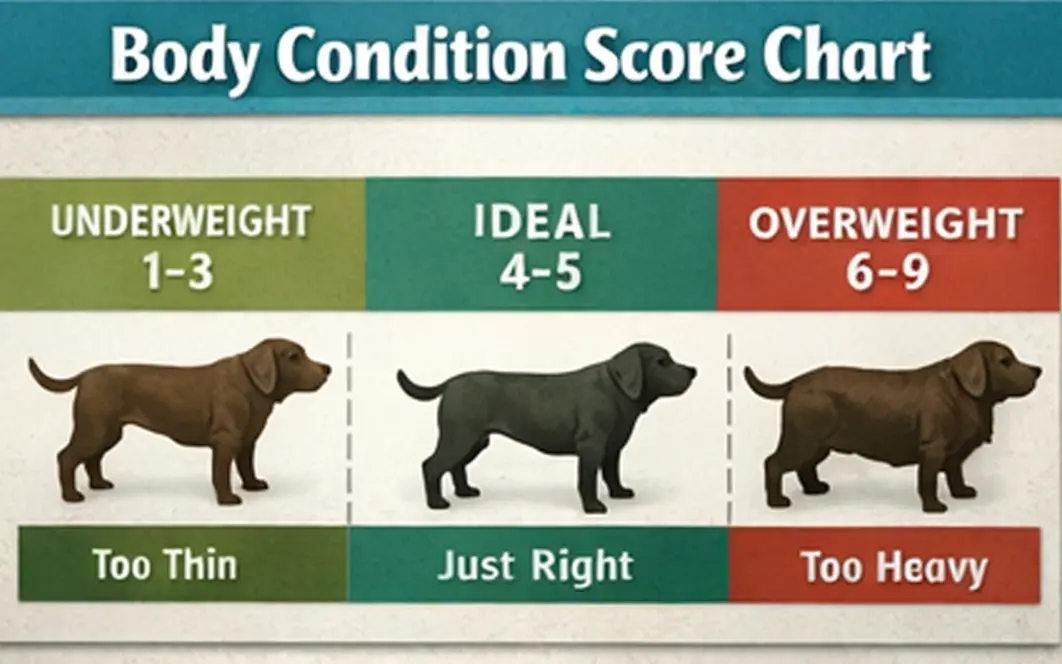
Veterinarians use a tool called the Body Condition Score (BCS) to standardize the assessment of a pet's weight. It's a simple system that you can easily use at home. The BCS is typically a 5-point or 9-point scale that rates a dog's body fat.
A 9-point scale is the most common, where a score of 1 is emaciated, 9 is severely obese, and a score of 4 or 5 is considered ideal.
- 1-3 (Underweight): Ribs, spine, and pelvic bones are easily visible from a distance. There is a severe abdominal tuck and a dramatic hourglass waist.
- 4-5 (Ideal): Ribs are easily felt but not necessarily seen. The waist is visible from above, and the abdomen is tucked up when viewed from the side.
- 6-7 (Overweight): Ribs are difficult to feel under a moderate layer of fat. The waist is barely visible or absent, and the abdominal tuck is slight.
- 8-9 (Obese): Ribs are very difficult or impossible to feel under a thick layer of fat. There is no waist, and the back appears broad and flat. The abdomen may droop, and you might see fat deposits on the lower back and base of the tail.
Regularly scoring your dog with a BCS chart, and keeping your vet informed, allows you to make informed adjustments to your dog's nutrition—including when to transition to or maintain them on Purina One Healthy Weight to reach and preserve the ideal score.
Understand Breed-Specific Weight Ranges
While every dog is an individual, breed standards offer a useful ballpark for what your dog should weigh. A Labrador Retriever's ideal weight is very different from a Chihuahua's. You can find breed-specific weight charts from reputable sources like the American Kennel Club (AKC).
However, remember that these are just general guidelines. Factors like your dog's age, sex, and whether they have been spayed or neutered can influence their ideal weight. A highly active working Border Collie will have a different body composition than a more sedentary one. Use breed standards as a reference point, but don't rely on them as the only measure.
Curious about your dog's breed characteristics? Explore our Dog Breed Selector to learn more about breed-specific traits and health considerations. No matter your dog's breed or size, Purina One Healthy Weight offers balanced nutrition that helps manage calories without sacrificing taste or essential nutrients.
Consult Your Veterinarian
The most accurate and reliable way to determine your dog's ideal weight is to consult with your veterinarian. Your vet can perform a thorough physical exam, consider your dog's specific breed, age, and health history, and give you a precise target weight to aim for.
A vet can also rule out any underlying medical conditions that might be causing weight gain, such as hypothyroidism or Cushing's disease. During the visit, the veterinarian will weigh your dog on a calibrated scale, perform a Body Condition Score assessment, and provide personalized advice. Be sure to discuss your dog's dietary options—including weight management formulas like Purina One Healthy Weight, which your vet may recommend as part of a safe and effective weight management plan.
Planning for veterinary expenses? Use our Vet Cost Estimator to budget for regular check-ups and weight management consultations.
Tips for Achieving and Maintaining a Healthy Weight
Once you and your vet have determined your dog's ideal weight, the next step is to create a plan to get there. Consistency and patience are key—along with choosing the right diet and exercise routine.
Re-evaluate Their Diet
Weight management starts in the food bowl. It's crucial to feed your dog the right amount of high-quality food.
- Measure Meals: Don't just "eyeball" it. Use a proper measuring cup to portion out your dog's food according to the feeding guidelines on the bag, and adjust as needed based on your vet's recommendation. Our Dog Food Calculator can help you determine precise portions based on your dog's weight, age, and activity level.
- Limit Treats: Treats should make up no more than 10% of your dog's daily caloric intake. Choose lower-calorie treats or healthy alternatives like baby carrots, green beans, or small pieces of apple (seeds and core removed). Check our Pet Food Safety Guide to ensure you're offering safe, healthy treats.
- Choose the Right Food: A weight management formula like Purina One Healthy Weight is scientifically crafted to help dogs feel full while consuming fewer calories. It's high in protein to support lean muscle mass and packed with wholesome ingredients, making mealtime both nourishing and satisfying. If your dog needs to lose or maintain weight, making the switch to Purina One Healthy Weight can make a big difference.
Increase Their Physical Activity
Exercise not only burns calories but also builds muscle, improves metabolism, and provides essential mental stimulation.
- Daily Walks: Aim for at least 30 minutes of brisk walking each day. If your dog is out of shape, start slow and gradually increase the duration and intensity. Use our Walking Calculator to create a personalized exercise schedule based on your dog's breed, age, and fitness level.
- Incorporate Play: Games like fetch, tug-of-war, or hide-and-seek are fantastic ways to get your dog moving.
- Try New Activities: Explore dog sports like agility, nose work, or swimming. These activities offer both physical and mental challenges that can strengthen your bond. When paired with a calorie-smart diet like Purina One Healthy Weight, increased activity helps dogs achieve and maintain their ideal weight.
Schedule Regular Check-Ups
Regular weigh-ins and check-ups with your vet are essential for tracking progress and making necessary adjustments to your dog's plan. These visits help keep you accountable and ensure the weight loss or maintenance is happening at a safe and healthy pace—typically 1-2% of their body weight per week. Track your progress between vet visits with our Pet Weight Tracker to visualize trends and celebrate milestones. Your vet can also provide guidance on how to feed and adjust portions of Purina One Healthy Weight for your dog's unique needs.
Your Dog's Health Is in Your Hands
Determining and maintaining your dog's ideal weight is one of the most significant contributions you can make to their long-term health and happiness. A lean, fit dog is more likely to have a higher quality of life, with more energy for play and fewer health complications down the road.
Take a moment today to assess your dog using the methods we've discussed. Look at their shape, feel for their ribs, and be honest about what you find. If you suspect your dog might be carrying extra weight, don't delay. Schedule an appointment with your veterinarian and ask about Purina One Healthy Weight as part of a personalized health plan.
Ready to take action? Start by using our Pet Weight Tracker to establish a baseline, then calculate optimal portions with our Dog Food Calculator. Want to understand your dog's life stage better? Check our Pet Age Calculator to see where they are in their life journey. With the right approach and the right nutrition, you can help your furry friend enjoy a long, vibrant, and healthy life.
Partner picks for this guide
As an Awin affiliate, Paw Calculator may earn a commission from qualifying purchases. Prices and availability can change.

PawCalculator Editorial
We combine veterinary references, published guidelines, and calculator-grade modeling. This article is for education, not a substitute for an exam.
+ Follow on PawTalk