Puppy hiccups are usually normal and harmless. They're caused by eating or drinking too fast, excitement, play or tiredness, and they typically stop within minutes. Slower feeding and calm time help. Hiccups that last for hours, or that come with coughing, breathing trouble or vomiting, need a vet.
If your puppy has just discovered hiccups, don't panic: nearly every puppy gets them, often right after meals or a burst of play. They can look alarming (the whole body jerks), but in most cases they're as harmless as they are in people. This guide explains what causes puppy hiccups, how long they last, what actually helps, what doesn't, how to tell hiccups from reverse sneezing and the rare signs that point to a health problem.
What are hiccups?
Hiccups happen when the diaphragm, the muscle under the lungs, contracts involuntarily and the vocal cords snap shut a moment later, making the "hic" sound. In puppies, the nervous system and digestive tract are still maturing, which is probably why hiccups are so much more common than in adult dogs. Most puppies outgrow frequent hiccups by about 6 months to a year.
Common causes
- Gulping food or water, which swallows air
- Excitement or play, especially big bursts of energy and panting
- Tiredness, after a busy day
- Eating a large meal
- Sudden temperature changes or cold air
- Stress
- Eating too soon after exercise
How long do puppy hiccups last?
Most episodes last 5-20 minutes and stop on their own. Episodes that come and go through the day are usually still normal. If hiccups last more than a couple of hours, happen constantly or keep your puppy from eating or sleeping, see your vet.
How to help
- Slow down mealtimes. Use a slow-feeder bowl, a lick mat, a puzzle feeder or a muffin tin to spread out kibble. Offer smaller, more frequent meals.
- Keep your puppy calm. Quiet cuddles, a gentle belly rub or a short, slow walk can settle the diaphragm.
- Offer a little water in small sips, not a big gulp.
- Let it pass. Most episodes end on their own.
- Avoid vigorous play right after meals, and wait about an hour before exercise.
- Raise the water bowl slightly if your puppy gulps, or use a bowl that encourages slower drinking.
Don't try human tricks such as scaring the puppy, pulling the tongue or giving sugar. They don't work for dogs and can cause stress.
Worked example
Scout, a 10-week-old Lab, gets hiccups after every breakfast. His owner feeds him 1 cup of kibble in a flat bowl in under a minute.
- Problem: he gulps so fast he swallows air.
- Fix: switch to a slow-feeder bowl and divide the day's food into four meals, so each meal is about a quarter of the total.
- Result: each meal takes 3-5 minutes instead of under one, and the hiccups mostly stop within a week.
- Keep the daily total right: use the dog food calculator by weight and age to set the daily portion, then split it across meals.
When hiccups may signal a problem
Hiccups are rarely serious, but call your vet if they:
- Last more than a couple of hours, or happen constantly
- Come with coughing, wheezing or labored breathing
- Come with vomiting, diarrhea or lethargy
- Come with pale gums or fainting
- Seem to be paired with belly swelling or pain
- Occur in a puppy that isn't growing or eating well
- Start suddenly in an older dog
Possible underlying causes include respiratory problems, parasites, gastrointestinal irritation, heart issues or, rarely, neurological disease.
Hiccups vs reverse sneezing
Reverse sneezing sounds like loud snorting or inhaling and involves the nose and throat, often triggered by excitement, irritants or pulling on a leash. Hiccups are rhythmic, regular jerks of the chest with a small "hic." If you're unsure, take a short video to show your vet.
Hiccups and worms
Some sources link puppy hiccups to roundworms, because larvae migrating through the body can irritate the diaphragm. It's uncommon, but it's a good reason to keep up with your deworming schedule; see our puppy dewormer guide.
Planning for vet visits
A routine exam is inexpensive compared with emergency care. See the vet cost estimator for typical yearly budgets.
When to call your vet
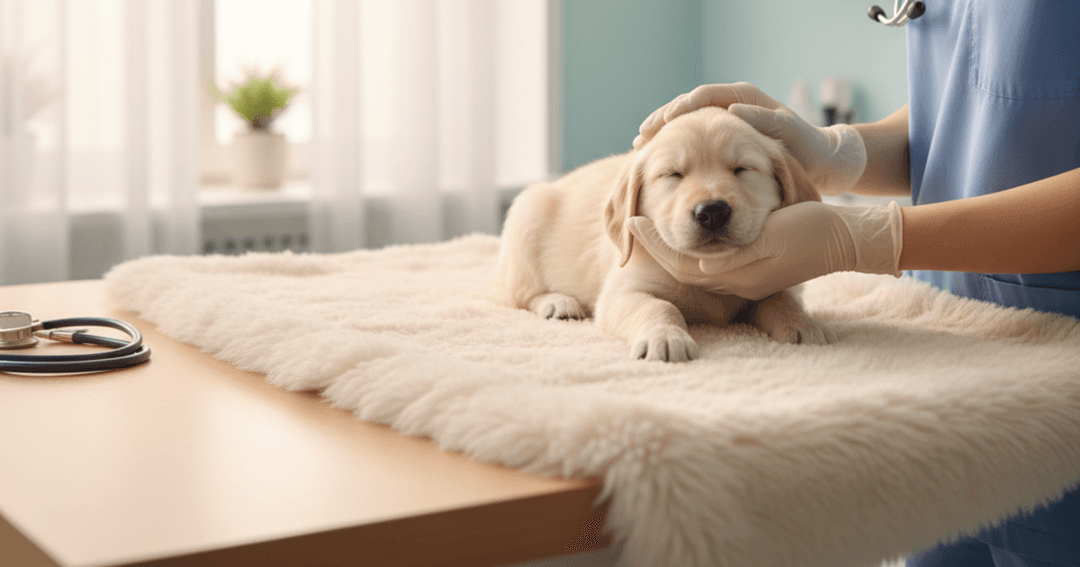
Call promptly if hiccups are accompanied by any breathing difficulty, repeated vomiting, collapse, blue or pale gums, or if they last for hours.
Frequently asked questions
PawCalculator Editorial
We combine veterinary references, published guidelines, and calculator-grade modeling. This article is for education, not a substitute for an exam.
+ Follow on PawTalk