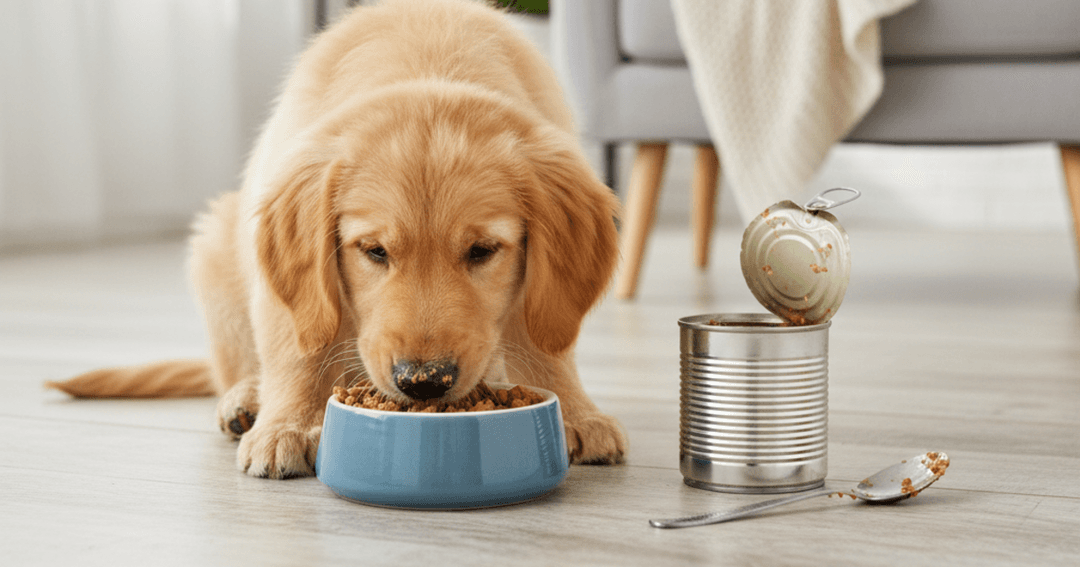
Probiotic dog food contains added live beneficial microbes, usually strains of Lactobacillus, Bifidobacterium, Enterococcus or Bacillus, intended to support digestion and immune health. Some strains have evidence for helping diarrhea and stool quality in dogs, but many foods contain too few live organisms by the time you feed them. A veterinary probiotic supplement may be more reliable when your dog has a specific issue.
Walk down the dog food aisle and you will see "with probiotics" on bags of kibble, cans of wet food and treats. The idea is appealing: healthy gut bacteria for better digestion, firmer stools and a stronger immune system. The reality is more nuanced. Probiotics can help, but the benefit depends on which strain is used, how many live organisms survive manufacturing and storage and what problem you are trying to solve. This guide explains what probiotics are, how they work in dogs, what research suggests, why survival in kibble is a challenge, how to read labels, how food compares with supplements, when to use probiotics and when to see your vet. To portion any food correctly, use the dog food calculator.
What are probiotics?
Probiotics are live microorganisms that, when given in adequate amounts, provide a health benefit. In dogs, they work in the gut, which contains trillions of bacteria known as the microbiome. These bacteria help digest food, produce nutrients, train the immune system and crowd out harmful microbes.
Probiotics are different from:
- Prebiotics: fibers (such as inulin, FOS, beet pulp and chicory root) that feed beneficial bacteria.
- Synbiotics: products containing both probiotics and prebiotics.
- Postbiotics: products of microbial fermentation, such as short-chain fatty acids or dead microbial cells.
- Digestive enzymes: proteins that help break down food, which are not living organisms.
Common probiotic strains in dog products
| Strain | Notes |
|---|---|
| Enterococcus faecium (such as SF68) | One of the best-studied in dogs, shown to help with diarrhea and immune function in some trials |
| Lactobacillus acidophilus | Common in foods and supplements |
| Lactobacillus rhamnosus and plantarum | Studied for gut health in various species |
| Bifidobacterium animalis (such as AHT-2) | Researched in dogs for stool quality and stress-related diarrhea |
| Bacillus coagulans and Bacillus subtilis | Spore-forming, so they survive heat and processing better |
| Saccharomyces boulardii | A beneficial yeast, studied for diarrhea |
Benefits are strain-specific, so a label that simply says "probiotics" tells you little. The specific strain names and the number of live organisms matter.
What the research says
Studies suggest probiotics may:
- Reduce the duration of acute diarrhea in some dogs, especially in shelter and stress-related cases.
- Improve stool quality in dogs with mild digestive issues.
- Support recovery from antibiotic-associated digestive upset.
- Help in some chronic enteropathies as part of a vet-directed plan.
- Modulate the immune system, though evidence in healthy dogs is limited.
However, evidence is mixed, many studies are small and results depend on strain and dose. Probiotics are not a cure-all, and healthy dogs eating a good diet may see little change.
The big problem: do the bacteria survive?
Making kibble involves high heat, pressure and months of storage, all of which can kill live bacteria. Manufacturers deal with this in several ways:
- Using heat-stable, spore-forming strains, such as Bacillus coagulans.
- Coating kibble after cooking with probiotics in a fat or powder coating.
- Microencapsulation to protect the organisms.
- Using freeze-dried or refrigerated foods where fewer processing steps reduce losses.
Even so, the count of live organisms can fall during shelf life. A guarantee of live cultures "at time of manufacture" is not the same as "at time of feeding." Look for products that list a guaranteed count (in colony-forming units, or CFU) through the expiration date.
What to look for on the label
- Specific strain names, not just "probiotics" or "fermentation product."
- A guaranteed count of live organisms (CFU per kg or per serving), ideally through the end of shelf life.
- A complete-and-balanced statement for your dog's life stage.
- Prebiotic fiber such as beet pulp, chicory root or inulin, in moderate amounts.
- Storage instructions. Heat and humidity reduce viability, so store food in a cool, dry place and keep it sealed.
- A reputable manufacturer with quality control and nutrition expertise.
- A realistic claim. Be wary of products promising to cure allergies, skin problems or serious diseases.
Fermentation products vs live probiotics
Some labels list "dried Lactobacillus fermentation product" or "dried Bacillus fermentation product." These are the by-products of culturing bacteria, and they may contain few or no live organisms. They may provide some benefits as postbiotics, but they are not the same as live probiotics.
Probiotic food vs a supplement
| Feature | Probiotic dog food | Veterinary probiotic supplement |
|---|---|---|
| Convenience | Built into the daily meal | Separate dose or sachet |
| Live organism count | Often lower and variable | Usually higher and guaranteed |
| Strains | Limited by processing | Wider range of researched strains |
| Dosing | Tied to the amount of food eaten | Can be targeted to a condition |
| Cost | Included in food price | Additional cost |
| Use for acute issues | Less reliable | Often preferred, under vet guidance |
For general maintenance, a food with added probiotics is a reasonable convenience. For a specific problem, such as diarrhea after antibiotics or a stressful event, a dedicated supplement may be more effective.
When might probiotics help?
- Diarrhea or loose stools, including stress colitis, with your vet's guidance
- During and after antibiotics
- Changes in diet, to ease the transition
- Boarding, travel or shelter stress
- Chronic digestive upset, as part of a vet-directed plan
- Puppies and seniors with sensitive digestion, if recommended by your vet
When probiotics are not the answer
- Severe or bloody diarrhea, vomiting or lethargy. See a vet.
- Suspected food allergy. The protein source matters more.
- Parasites or infection. These need targeted treatment.
- Dogs with weakened immune systems or serious illness. Ask your vet before using live bacteria, since rare infections have been reported.
Safety
Probiotics are generally safe for healthy dogs. Possible side effects include gas, bloating or loose stools when first starting. Start gradually. Avoid human probiotic products that contain xylitol or other additives toxic to dogs, and check labels for ingredients.
Worked example: judging a probiotic claim
A kibble bag says "contains probiotics, 80 million CFU per pound at manufacture."
- Convert to kg: 80 million per lb is about 176 million CFU per kg.
- For a 20 kg dog eating about 270 g per day: about 48 million CFU per day.
- Compare to research doses: studies often use hundreds of millions to billions of CFU per day for a supplement.
- Consider survival: if only a fraction remains by the time you open the bag, the real number may be lower.
- Conclusion: this level may support general gut health but is much lower than a typical therapeutic supplement dose. If your dog has digestive problems, ask your vet about a targeted product.
Use the dog food calculator to work out how much your dog eats per day before comparing doses.
Other ways to support digestive health
- Feed a consistent, complete-and-balanced diet.
- Switch foods gradually over 7-10 days.
- Add fiber such as plain canned pumpkin (not pie filling) in small amounts, if your vet approves.
- Keep treats and table scraps minimal.
- Provide fresh water.
- Manage stress and keep routines steady.
- Maintain parasite prevention.
- Ask your vet about prebiotics and veterinary diets for chronic issues.
When to call your vet
Contact your vet if your dog has diarrhea lasting more than a day or two, blood in the stool, vomiting, lethargy, weight loss, loss of appetite or abdominal pain. Do not rely on probiotics alone for serious digestive problems.
The bottom line
Probiotic dog food can offer modest support for gut health, but results depend on the strain and how many live organisms survive processing and storage. For a specific digestive problem, a vet-recommended probiotic supplement is often more reliable than a food. Portion your dog's food accurately with the dog food calculator.
Frequently asked questions
PawCalculator Editorial
We combine veterinary references, published guidelines, and calculator-grade modeling. This article is for education, not a substitute for an exam.
+ Follow on PawTalk