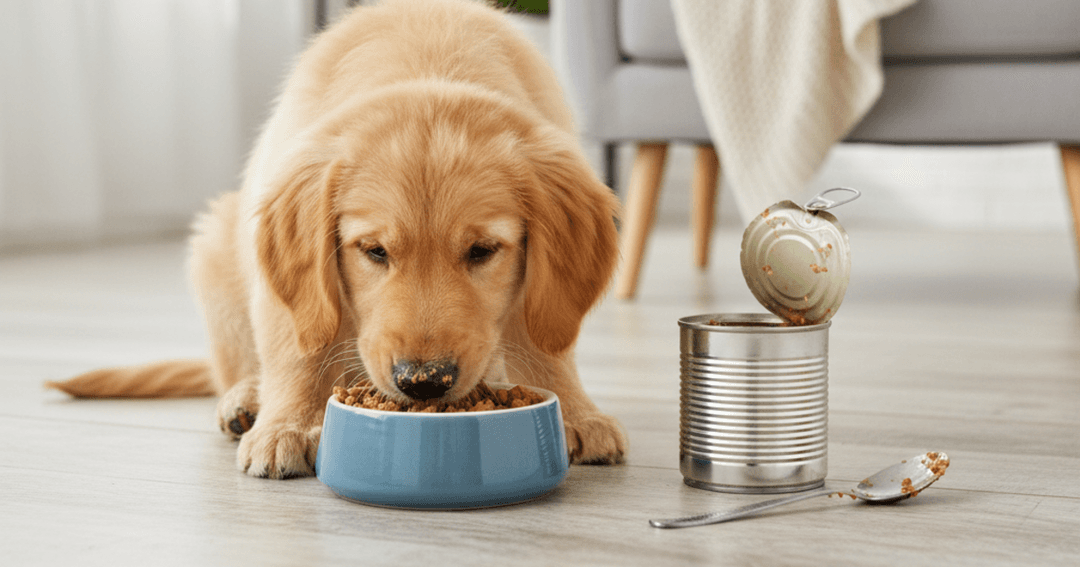
Dog food without chicken is useful for dogs with a suspected or confirmed chicken sensitivity. Read the whole label for hidden chicken fat, meal, broth and natural flavor, choose another protein such as beef, lamb, fish or pork, and confirm the problem with a strict vet-guided food trial.
Chicken is in a huge share of dog foods and treats, which also means it is one of the most commonly reported dog food allergens, along with beef, dairy and wheat. If your dog has chronic itching, ear infections or stomach upset, chicken may be a suspect. This guide explains the signs, where chicken hides, which proteins to consider, how to pick between limited-ingredient and hydrolyzed diets, how to run a food trial, how to portion the new diet and what to do afterward. Use the dog protein calculator to check protein needs.
Allergy vs intolerance
| Feature | Food allergy | Food intolerance |
|---|---|---|
| Mechanism | Immune reaction to a protein | Digestive reaction, not immune |
| Typical signs | Itching, ear infections, paw licking, sometimes GI signs | Gas, loose stool, vomiting |
| Timing | Can build up over months or years | Often soon after eating |
| Diagnosis | Elimination diet trial | Elimination diet trial |
Signs of a food sensitivity
- Itchy skin, especially paws, face, ears and belly
- Recurrent ear infections
- Licking or chewing paws
- Soft stools, gas or vomiting
- Hot spots and hair loss
- Scooting or anal gland issues in some dogs
These signs also happen with fleas, environmental allergies and infections, so see your vet before blaming food. Environmental allergies are more common than food allergies in many dogs.
Where chicken hides
Check the full ingredient list and the treats, chews and supplements.
- Chicken meal, chicken fat, chicken by-product meal
- "Poultry" or "poultry fat" which often includes chicken
- Natural flavor, animal digest or broth, which may be chicken-based
- Hydrolyzed chicken liver in some treats
- Eggs, a separate ingredient from chicken but sometimes avoided on trials
- Pill pockets, flavored medications and chews
- Dental chews and joint supplements with chicken flavoring
Contact the manufacturer to ask about cross-contamination in shared facilities.
Alternative proteins
| Protein | Notes |
|---|---|
| Beef | Common and affordable, but also a common allergen |
| Lamb | Widely available, rich in fat |
| Fish (salmon, whitefish) | Omega-3 benefits, strong smell |
| Pork | Palatable and often well tolerated |
| Venison, rabbit, kangaroo | Novel in many diets, often pricier |
| Duck or turkey | Still poultry, so avoid if the goal is no poultry |
A "novel" protein only works if your dog has never eaten it. Review your dog's full diet history.
Limited-ingredient or hydrolyzed?
| Diet | How it works | Best for | Cost |
|---|---|---|---|
| Limited-ingredient, novel protein | Few ingredients, new protein | Mild signs, known diet history | Moderate |
| Hydrolyzed protein (prescription) | Protein broken into tiny pieces | Strict diagnostic trials | Higher |
| Over-the-counter "chicken-free" | Only removes chicken | Dogs with a known chicken issue | Lower |
OTC foods may have cross-contamination, so for a diagnostic trial a prescription diet is more reliable.
Running a food trial
- Rule out other causes with your vet.
- Choose a single, chicken-free diet, ideally limited-ingredient or hydrolyzed, as your vet recommends.
- Feed only that diet for 8-12 weeks, with no other treats, flavored meds or table scraps.
- Track symptoms with a daily diary.
- Challenge with the old food only if your vet advises, to confirm the cause.
Making it work at home
- Tell everyone in the household, including kids and visitors, that nothing else is allowed.
- Feed other pets separately.
- Ask your vet for chicken-free versions of heartworm and flea medications.
- Use a few kibbles from the trial food as training treats.
Worked example
A 20 kg (44 lb) neutered adult dog switching to a chicken-free diet.
- Resting energy: RER = 70 × 20^0.75 = 70 × 9.46 = about 662 kcal.
- Daily need: 662 × 1.6 = about 1,060 kcal.
- If the food is 3,800 kcal per kg: 1,060 ÷ 3.8 = about 279 g per day.
- Split into two meals of about 140 g each.
- Transition over 7-10 days by mixing increasing amounts of the new food.
- Weigh every 2 weeks and adjust by about 10% if needed.
Always use the calorie figure on your actual bag, since densities differ.
Protein check
Many dogs need roughly 18-25% protein on a dry-matter basis for adults, and more for puppies. When you swap proteins, compare the guaranteed analysis and use the dog protein calculator so the new diet still meets your dog's needs.
How to switch foods
| Days | Old food | New food |
|---|---|---|
| 1-2 | 75% | 25% |
| 3-4 | 50% | 50% |
| 5-6 | 25% | 75% |
| 7+ | 0% | 100% |
For a strict trial, some vets prefer a faster change. Follow your vet's plan.
Treats on a chicken-free diet
Choose single-ingredient treats made from the new protein, such as dried salmon or beef. Keep treats under 10% of daily calories. During a strict trial, skip treats unless they match the trial diet.
After the trial
If signs improve, your vet may suggest a challenge with chicken to confirm. If symptoms return, you have your answer, and you can stay on the new diet or test other proteins one at a time. If there is no change, the cause may be environmental allergy, fleas or another problem.
Do all dogs need chicken-free food?
No. Chicken is a healthy protein for most dogs. Remove it only if your vet suspects a problem. Switching without a reason may use up options you might need later.
Common mistakes
- Missing hidden chicken in treats, flavors and medications
- Choosing turkey or duck when the goal is no poultry
- Ending the trial too early
- Switching proteins every few weeks, which makes results unclear
- Skipping the vet check and assuming it is food
When to call your vet
Contact your vet if your dog has persistent itching, skin infections, ear problems, vomiting, ongoing diarrhea or weight loss. Seek urgent care for facial swelling, hives, trouble breathing or collapse. For suspected poisoning, call the ASPCA Animal Poison Control Center at 888-426-4435 or the Pet Poison Helpline at 855-764-7661 (fees may apply).
The bottom line
Read labels carefully, pick one alternative protein, keep the trial strict and measure portions. Use the dog protein calculator to plan protein for your dog.
Frequently asked questions
PawCalculator Editorial
We combine veterinary references, published guidelines, and calculator-grade modeling. This article is for education, not a substitute for an exam.
+ Follow on PawTalk