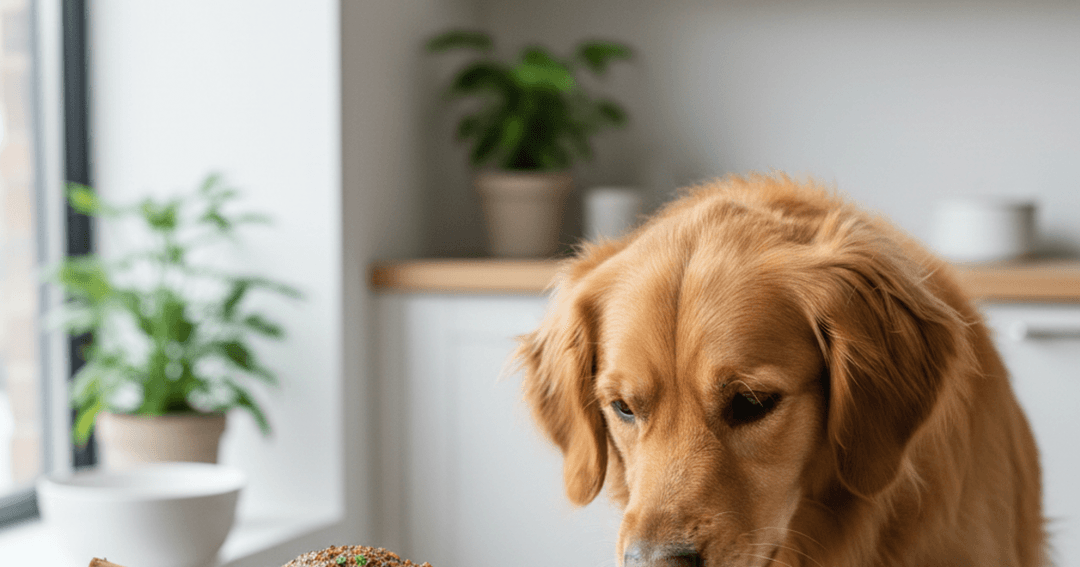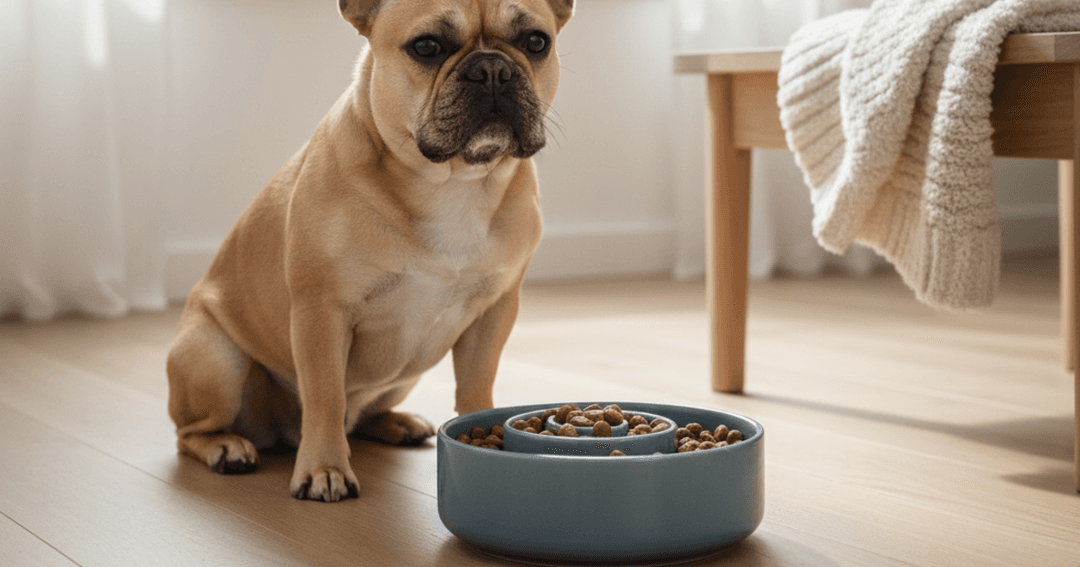
Avocado isn't a good choice for dogs. A small lick of flesh is unlikely to be dangerous, but the pit is a serious choking and blockage risk, the skin and leaves contain more persin, and the high fat content can cause vomiting, diarrhea or pancreatitis. Guacamole often contains onion and garlic, which are toxic. Safer treats are easy to find.
The avocado question is confusing because the headline toxin, persin, affects different animals very differently. Dogs are relatively resistant to it, yet vets still advise against feeding avocado. This guide explains what persin is, what the real risks are for dogs, what to do if your dog ate some and what to feed instead. Check other foods in our food safety checker.
What is persin?
Persin is a fungicidal compound found in avocado leaves, bark, skin and pit, and in smaller amounts in the flesh. It's clearly toxic to birds, rabbits, horses and some livestock, where it can cause heart damage and breathing problems. Dogs and cats are generally more resistant, and large-scale persin poisoning in dogs is uncommon. That's why you'll find sources saying "avocado flesh is fine for dogs" and others saying "avoid it." Both can be right: the flesh rarely poisons a dog, but avocado isn't a risk-free or useful treat.
The real risks for dogs
- The pit: large, smooth and slippery. A swallowed pit can lodge in the throat, stomach or intestines and usually needs veterinary care, often surgery. Pits are the most dangerous part of an avocado for a dog.
- Fat content: avocado flesh is about 160 kcal and 15 g of fat per 100 g. A sudden fatty meal can trigger vomiting, diarrhea and, in susceptible dogs, pancreatitis, which can be severe.
- Skin and leaves: tougher, higher in persin, and harder to digest.
- Guacamole and avocado dishes: frequently contain onion, garlic, salt, lime, chili and oil. Onion and garlic can damage a dog's red blood cells.
- Avocado trees in the garden: dogs that chew leaves or bark can get stomach upset.
Are there any benefits?
Avocado contains monounsaturated fat, potassium, fiber, vitamin E and B vitamins. But a dog eating a complete and balanced diet doesn't need any of this, and the calorie and fat load make avocado a poor trade compared with lower-fat options. Some commercial dog foods use small amounts of avocado oil or meal, formulated by the manufacturer.
What if my dog ate some?
- A small lick or a bit of plain flesh: monitor for vomiting, diarrhea or lethargy over the next day.
- A large amount of flesh, skin or leaves: call your vet for advice.
- The pit: call your vet right away, even if your dog seems fine. Blockage signs can appear hours to days later.
- Guacamole or an avocado dish with onion or garlic: call your vet or poison control.
Don't induce vomiting unless a vet tells you to. Signs to watch for include repeated vomiting, belly pain, a hunched posture, diarrhea, lethargy, loss of appetite and no stool.
Worked example: how fast the fat adds up
Meet Teddy, a neutered 8 kg (17.6 lb) dog.
- RER: 70 × 8^0.75 = 70 × 4.76 = about 333 kcal.
- Daily calories at 1.6 × RER: about 530 kcal.
- Treat allowance at 10%: about 53 kcal.
- A quarter of a medium avocado (about 50 g flesh): 50 × 1.6 = about 80 kcal with about 7.5 g fat.
- Result: 150% of his whole treat allowance in one sitting, with a large hit of fat for a small dog. That's the kind of sudden fatty meal that can set off pancreatitis.
Compare it with cucumber: 50 g is about 8 kcal. Find your own dog's budget with the dog calorie calculator.
Safer swaps
- Blueberries or strawberries, a few at a time.
- Cucumber slices for a crunchy, low-calorie option.
- Plain cooked green beans or carrot sticks.
- A small piece of plain cooked chicken for a protein reward.
- Plain, unsalted pumpkin in small amounts.
Who should be especially careful?
- Dogs with a history of pancreatitis, high blood fat or obesity.
- Small dogs, where a small piece is a big fat dose and a pit is a serious blockage risk.
- Dogs with sensitive stomachs.
- Puppies, who can get into trouble quickly.
Avocado and other pets
Avocado is much more dangerous for birds, rabbits and some livestock. If you have other pets, keep avocado well out of reach.
When to call your vet
Call your vet or an emergency clinic if your dog swallowed a pit, or has repeated vomiting, belly pain, a hunched posture, diarrhea or no stool after eating avocado. If your dog ate guacamole with onion or garlic, contact poison control: ASPCA Animal Poison Control Center, 888-426-4435; Pet Poison Helpline, 855-764-7661.
Frequently asked questions
PawCalculator Editorial
We combine veterinary references, published guidelines, and calculator-grade modeling. This article is for education, not a substitute for an exam.
+ Follow on PawTalk