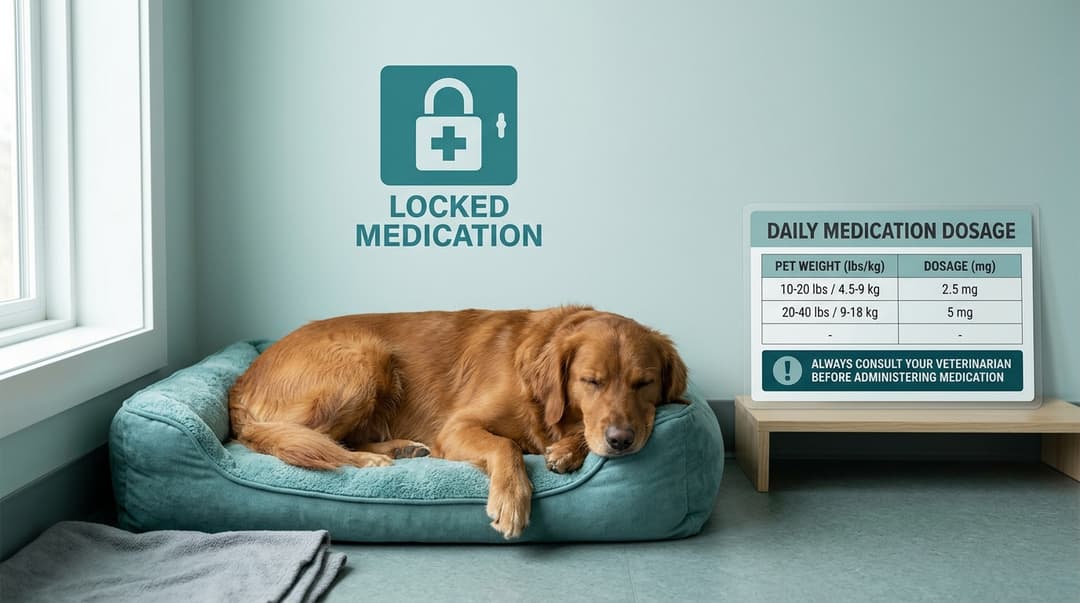
Diazepam Dosage for Dogs
Diazepam (Valium) is a controlled substance used in dogs primarily for acute seizure management and, less commonly, situational anxiety — its prescription-only, controlled status reflects both its therapeutic value and real potential for adverse effects if dosed incorrectly. Because it's frequently used in emergency seizure situations (including as a rectal or injectable form administered by owners for cluster seizures under specific vet-trained protocols), dosing instructions are always individualized by your prescribing vet based on the specific use case, your dog's weight, and any other medications on board — this page explains the medication's role, not a substitute dosing chart to use independently.
Reference only — confirm with your veterinarian.
Keep going with a related calculator.
Diazepam Dosage for Dogs
Diazepam (Valium) is a controlled substance used in dogs primarily for acute seizure management and, less commonly, situational anxiety — its prescription-only, controlled status reflects both its therapeutic value and real potential for adverse effects if dosed incorrectly. Because it's frequently used in emergency seizure situations (including as a rectal or injectable form administered by owners for cluster seizures under specific vet-trained protocols), dosing instructions are always individualized by your prescribing vet based on the specific use case, your dog's weight, and any other medications on board — this page explains the medication's role, not a substitute dosing chart to use independently.
Why there's no dosage chart on this page
Diazepam dosing in dogs isn't a simple mg/kg lookup the way an antihistamine's is. It splits into genuinely different protocols depending on why it's being used:
| Use case | What determines the dose | Who sets it |
|---|---|---|
| Acute/cluster seizure control | Seizure history, frequency, prior response to treatment | Neurologist or prescribing vet, often via a written home protocol |
| Situational anxiety | Body weight, sedation tolerance, timing before the trigger event | Prescribing vet, usually trial-dosed first |
| Appetite stimulation (occasional off-label use) | Weight and response — a low, specific dose | Prescribing vet |
Because diazepam is a controlled substance with a narrow margin between an effective dose and over-sedation (and because rectal/injectable home-use protocols exist specifically for emergency seizure situations), publishing a generic weight-based chart here would be actively unhelpful — the number that matters is the one on your dog's current prescription label, not a general average.
What to have ready before you call your vet
If your dog is on or being considered for diazepam, your vet's dosing decision will factor in:
- Current body weight (not last year's — dose is weight-specific)
- Liver function (diazepam is metabolized hepatically; dogs with liver disease need adjusted dosing)
- Any other sedatives, opioids, or CNS-depressant medications on board
- For seizure protocols specifically: how long a typical seizure or cluster lasts, and how it's responded to treatment before
Living with a dog on a seizure management plan
For households managing a dog with a seizure disorder, diazepam is usually one piece of a broader plan rather than the whole strategy — many dogs are on a daily maintenance anticonvulsant (phenobarbital or levetiracetam are common examples) with diazepam reserved specifically for breakthrough or cluster seizure situations that need faster intervention than a daily oral medication can provide. Keeping a seizure log — date, time, duration, what the seizure looked like, and how the dog recovered afterward — gives your vet the pattern-level information that individual incidents don't, and it's often what determines whether a maintenance medication dose needs adjusting or whether the at-home diazepam protocol itself needs revisiting. Many owners find it helpful to keep the at-home emergency kit (medication, written protocol, emergency contact numbers) in a consistent, easy-to-find location and to make sure every adult in the household knows where it is and how to use it, since a seizure emergency is exactly the kind of situation where fumbling to locate supplies costs valuable time.
Understanding the emergency threshold for seeking care
Part of any written seizure action plan is a clear threshold for when at-home management stops being appropriate and emergency veterinary care becomes necessary — this is typically defined around either a single seizure lasting longer than a specific duration (often cited around 5 minutes) or a cluster of multiple seizures within a short window without adequate recovery time between them, both of which carry risk of dangerous complications like elevated body temperature and are considered veterinary emergencies rather than something to manage entirely at home. Your vet's written protocol should specify these thresholds precisely for your dog's situation rather than relying on a general rule, since the right threshold can vary based on seizure history and how a given dog has responded to at-home intervention in the past. Knowing this threshold in advance — rather than trying to judge it in the stress of an active seizure — is one of the most practical things a written action plan provides.
When to consult a professional
For health, dosage, or nutrition decisions, always confirm calculator output with your veterinarian. This tool provides reference estimates, not medical advice.
Read the full guide
- Diazepam for Dogs: Dosage Chart, Uses, and Side Effects — the complete write-up, including seizure protocol context and controlled-substance handling.
Emergency or unsure?
Call your vet or ASPCA Animal Poison Control — available 24/7.
Questions about this calculator
Most commonly acute seizure control (including at-home protocols for dogs with cluster seizure disorders) and less commonly for situational anxiety.
The math, openly documented.
Inputs
Weight, use case, and product strength where relevant.
weight · tablet_mg · use
Formula
Published veterinary reference dosing math.
dose = f(weight_kg)
Output
Reference range with safety notes.
mg · tablets · frequency
Disclaimer
Not a prescription — vet confirmation required.
reference only
More from Health
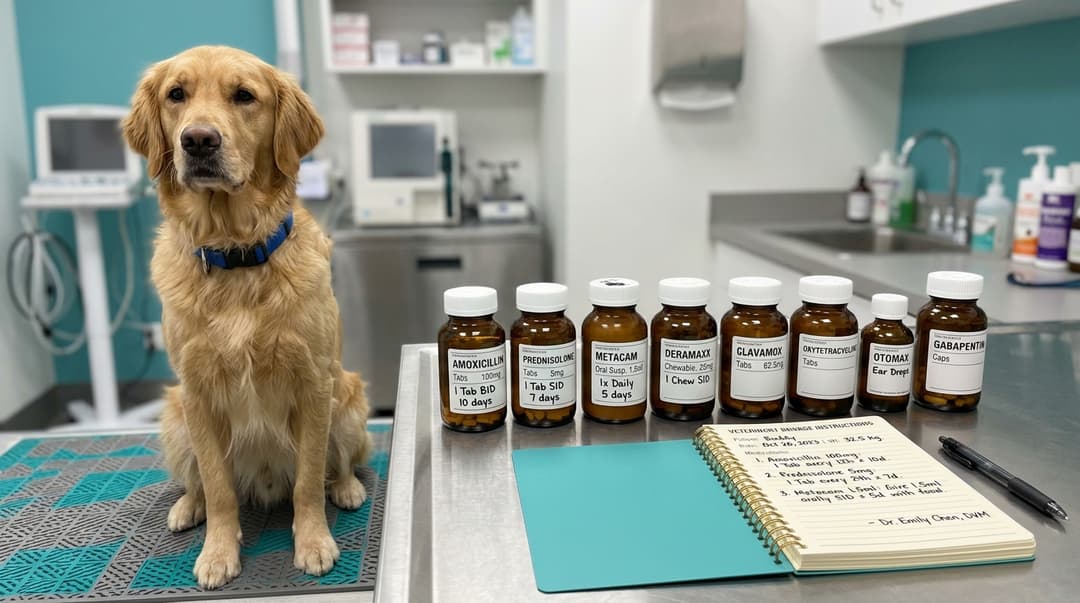
Dog Medication Dosage Reference Hub
Hub for all dog medication reference tools.
Open tool
Benadryl Dosage for Dogs, By Weight
Weight-based diphenhydramine reference with tablet conversion.
Open tool
Understanding Meloxicam Dosing for Dogs
NSAID loading and maintenance dose reference.
Open toolArticles from Insights



Got an edge case the calculator can't handle?
247 active threads about dog nutrition right now. Verified vets and experienced owners answer within hours.