Cats have a reputation for independence that isn't entirely deserved.
The stereotype - aloof, self-sufficient, genuinely indifferent to whether you come home - makes it easy to underestimate what extended alone time actually costs them. Adult cats can manage solitude better than dogs. That's true. But "can manage" isn't the same as "thrive," and the gap between those two outcomes widens considerably once you're past 24 hours.
Here's what the evidence and veterinary guidance actually say about alone time, broken down by duration and cat type.
The Baseline: What Cats Can Physically Manage
A healthy adult cat with access to food, fresh water, and a clean litter box can physically survive alone for 24-48 hours without significant welfare concern. Their sleep cycle (12-16 hours daily), lower social dependency compared to dogs, and ability to self-entertain in a familiar environment makes this manageable.
Beyond 48 hours, the calculation shifts. The problems that emerge aren't primarily about survival - food and water can be left in sufficient quantity - but about:
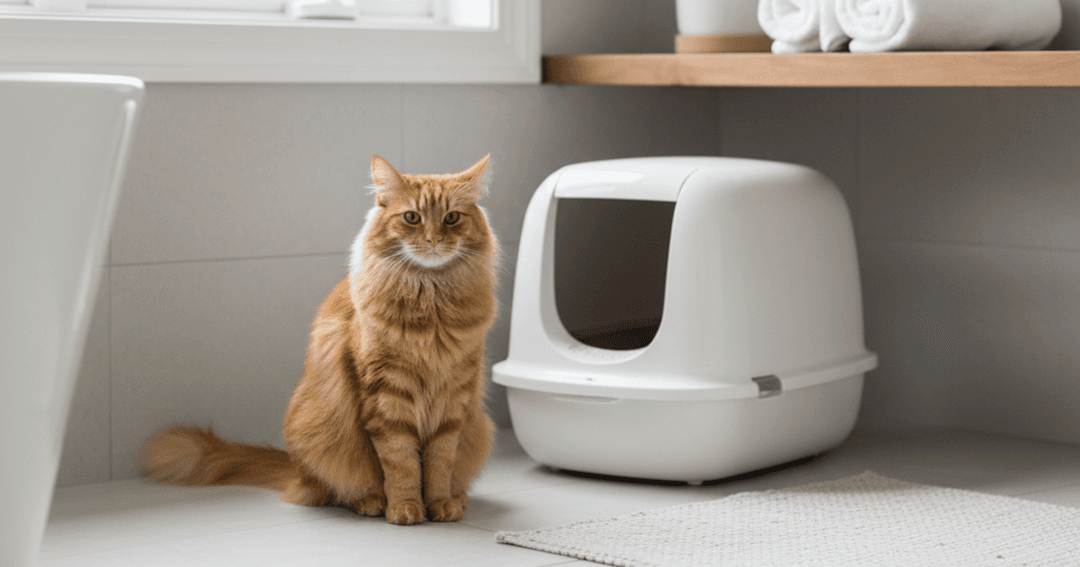
- Litter box hygiene: Most cats will stop using a litter box that has become too soiled. A single box for 48+ hours of use by one cat is at or past that threshold. A soiled box leads to elimination elsewhere, which is both a welfare signal and a practical problem.
- Medical monitoring gap: Cats can develop urinary blockages, respiratory distress, or acute illness quickly. A cat alone for 72 hours with a medical emergency has no intervention window.
- Psychological stress: Contrary to the independent cat myth, domestic cats form genuine attachments to their people. Research by feline behaviourists including Dr. Mikel Delgado has found that cats show signs of stress - reduced exploration, increased hiding, vocalisation changes - when left without human contact beyond 24 hours.
The veterinary consensus: daily check-ins from a person (not just an automated feeder) are appropriate for any absence beyond 24 hours.
By Duration: What's Actually Appropriate
A standard work day (8-10 hours)
Fine for the vast majority of adult cats. Ensure fresh water, food, and a clean litter box before leaving. Environmental enrichment - a window perch, a bird feeder outside to watch, toys available - makes the time easier. Most cats will sleep for most of it.
Overnight (16-20 hours)
Generally fine for healthy adult cats. Same provisions as above. Some cats with strong attachment behaviour will show increased vocalisation or clinginess when you return - this is normal and doesn't indicate a welfare problem.
24-48 hours (a weekend away)
Manageable but requires deliberate setup. The litter box question is the main concern: for a single cat, two boxes or a self-cleaning box significantly extends the acceptable window. Leave more water than you think is necessary - automated water fountains are better than static bowls for 48-hour absences. Have a trusted person with contact details and key access in case of emergency.
Ideal: a trusted person does one check-in, even brief, during this window. Not strictly required for a healthy adult cat but provides the medical monitoring gap that purely automated setups don't.
48-72 hours
Requires active management. At minimum: a person checking in once daily, fresh water and food confirmed, litter box attended to. An automated feeder helps but doesn't substitute for a person being present to notice if the cat is behaving unusually.
Beyond 72 hours
A cat sitter checking in once daily is the minimum. For trips of 4-7 days, daily visits that include feeding, litter cleaning, fresh water, and at least some interaction are appropriate. For trips longer than a week, a cat sitter staying at the property or boarding at a reputable facility is the better option for most cats.
Kittens, Seniors, and Cats With Health Conditions
The above guidelines apply to healthy adult cats. Kittens, seniors, and cats with medical conditions have different requirements.
Kittens under 6 months: Should not be left alone for more than 4 hours. Their feeding schedules are more frequent, their bladder control less reliable, and their capacity for self-entertainment is lower. A kitten left alone all day is not a good situation for the kitten or your furniture.
Senior cats (10+): Age increases the risk of rapid-onset health events - kidney failure, hyperthyroidism episodes, cardiac events. Senior cats warrant more frequent check-ins than younger adults. Daily check-ins for any absence over 24 hours, and twice-daily visits for longer absences.
Cats on medication: Any cat requiring timed medication cannot be left on a purely automated system. A person must administer medication on schedule. Full stop.
Cats with known anxiety or stress responses: Some cats react to owner absence with stress behaviours - inappropriate elimination, excessive vocalisation, overgrooming. These cats benefit from more frequent human contact during absences, not less. If your cat has shown these behaviours before, don't extend alone time and expect the problem to resolve.
The Two-Cat Question
Two cats together manage extended solitude better than a single cat - they provide each other's social contact, play stimulation, and general company. This is one of the practical reasons vets and behaviourists frequently recommend pairs for households where the owner works full-time.
"Better" doesn't mean "unlimited." Two cats still need a human checking in for any absence beyond 48 hours, still need adequate litter provision (the standard recommendation is one box per cat plus one - three boxes for two cats), and still need fresh water and food managed.
Two cats who don't get along well, or one cat that's bullying the other, creates a different dynamic. In that case, extended alone time isn't neutral - it removes the social buffer that the owner's presence provides.
Setting Up the Environment Before You Leave
What you do before leaving matters as much as how long you're gone.
Litter: Clean all boxes immediately before leaving. More boxes mean a longer acceptable window. A self-cleaning automatic litter box removes the most time-sensitive constraint.
Water: Static water bowls are fine for short absences. For anything beyond 24 hours, a running water fountain keeps water fresher, promotes intake (cats drink more from moving water), and removes the risk of a static bowl being knocked over leaving nothing.
Food: Measured portions in an automatic feeder are better than leaving large amounts of dry food. Free access to large quantities leads to overfeeding, and if your cat grazes past their normal amount you won't know until you're back.
Environment: Leave something with your scent - a worn shirt - in the cat's usual resting spot. It sounds minor but genuinely reduces stress response in cats with attachment anxiety. A window view of outdoor activity, an accessible high perch, and a radio or TV at low volume reduce the sensory flatness of an empty home.
Emergency contacts: A neighbour or trusted person with a key and your vet's contact information. Automated setups can fail. Cats can become ill. Someone who can intervene needs to exist.
Cat Sitters vs. Boarding: Which Is Better for Longer Absences
This depends more on the individual cat than on the duration.
Cat sitters (in-home visits or live-in):
Most cats do better in their own environment. The familiar territory, familiar smells, and absence of other animals' stress reduces anxiety compared to a new environment. In-home care is generally preferred for trips of any length for cats without specific boarding needs.
Daily visit sitters are appropriate for most cats on trips up to 2 weeks, provided visits include genuine interaction beyond just feeding. Overnight sitters (staying at the property) are better for anxious cats or those with health monitoring needs.
Boarding facilities:
Better for cats that socialise well, have health conditions requiring professional monitoring, or whose owners are genuinely unable to find in-home care. A high-quality cattery with individual suites and attentive staff is not a welfare problem. A chaotic kennel with barking dogs in the next room is.
Visit the facility before committing. Inspect the cleanliness of suites, ask how often cats are interacted with daily, ask what the sick-cat protocol is. If they won't let you view the facility, don't board there.
Signs Your Cat Struggled While You Were Away
Most cats look fine when you return even if the absence was stressful. Watch for these signals in the days following an extended absence:
- Increased vocalisation - calling more than usual, especially at night
- Clingy behaviour that wasn't there before - following you room to room, not settling
- Inappropriate elimination - urinating or defecating outside the box
- Overgrooming - patchy fur, especially on the belly or inner legs
- Reduced appetite for several days after your return
- Hiding more than usual
One or two of these settling within a day or two is normal re-adjustment. Persistent changes, especially inappropriate elimination, warrant a vet visit to rule out a medical cause before attributing it to stress.
Can I leave my cat alone for a week with an automatic feeder and fountain? No - not without daily human check-ins. An automatic feeder manages food. It doesn't clean the litter box, doesn't notice if the cat is hiding and not eating, and doesn't provide human contact. Daily visits from a person are necessary for absences of this length.
My cat seems completely fine when I leave for work all day. Does that mean I can extend it? Daytime tolerance doesn't predict overnight or multi-day tolerance. The social cue of your return every evening is part of what makes daily absences manageable. Extended absences remove that cue. Most cats handle a workday fine; that doesn't tell you much about how they'd handle 72 hours.
Is it okay to leave a cat alone if I leave a lot of food and a large litter box? For 24 hours in an emergency, yes. As a regular pattern, no. Large food quantities lead to gorging. An unattended litter box degrades quickly. And no amount of food or litter substitutes for human presence to catch a health problem early.
My cat has separation anxiety. What should I do when I travel? A cat sitter who visits twice daily and stays for 20-30 minutes each visit is the minimum. Live-in sitting is better. Discuss with your vet whether short-term anti-anxiety medication is appropriate for the specific absence. Pheromone diffusers (Feliway) have modest evidence for reducing anxiety in some cats - worth trying as an addition to other measures.
At what point should I board rather than use a sitter? When the cat has specific health needs requiring professional oversight, when in-home sitting isn't reliably available, or when your cat has shown it tolerates boarding well in the past. Individual cat temperament is the deciding factor more than trip length.
Use the PawCalculator Pet Travel Estimator to budget for cat sitting or boarding costs when planning trips.
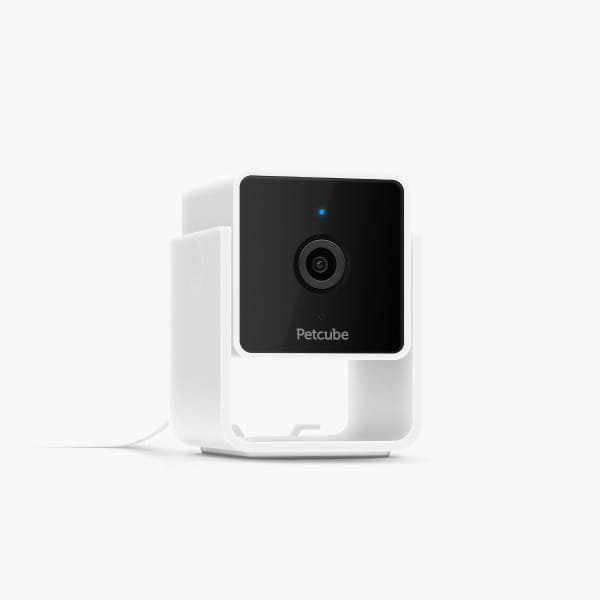
Partner picks for this guide
As an Awin affiliate, Paw Calculator may earn a commission from qualifying purchases. Prices and availability can change.


Frequently asked questions
PawCalculator Editorial
We combine veterinary references, published guidelines, and calculator-grade modeling. This article is for education, not a substitute for an exam.
+ Follow on PawTalk